


Quick answer
Most short Spanish courses in Argentina need no student visa at all, because many nationalities enter visa free as tourists for up to 90 days. You need a residencia estudiantil only for longer, formally enrolled study. Expect a passport, acceptance letter, apostilled criminal record and birth certificate, and proof of funds. Confirm current rules with Migraciones.
The honest answer belongs at the top, because it saves most readers a great deal of work. If you are coming to Argentina for a few weeks or a couple of months of Spanish classes, you very probably do not need a student visa at all. Many nationalities enter visa free as tourists for up to 90 days, and a language course sits comfortably inside that. The student visa exists for longer, formally enrolled study, and it is a real process with apostilles and consulates attached.
This guide explains how to tell which situation you are in, and what the residencia estudiantil involves if you do need it. One caveat applies throughout. Argentine immigration rules change, so treat the costs and timings here as typical ranges rather than promises, and confirm the current position with the Argentine consulate for your country or with migraciones.gov.ar.
In this article
Do you actually need a student visa for Argentina?
For a short course, most likely not.
Argentina grants visa free tourist entry to citizens of a long list of countries, generally including most of Europe, the United States, Canada, Australia, New Zealand and much of South America, usually for up to 90 days on arrival. Nothing in that arrangement stops you taking a language course while you are there. A two week intensive, a six week course, a summer of Spanish before university: for most nationalities that fits inside an ordinary tourist stay, and a student visa would add months of paperwork for no benefit.
Nationality lists are also what outdated articles get wrong most often, so check your own passport against the current list published by the Argentine government rather than trusting any blog post, this one included.
If you are already in Argentina and want more time, extending your tourist stay is usually simpler than switching category, and we cover that separately in our guide to renewing a tourist visa in Buenos Aires. If your plan is really about working remotely while studying on the side, the Argentina digital nomad arrangement is a different route with different requirements.
What is the difference between a tourist stay and a student visa?
| Visa free tourist stay | Student visa (residencia estudiantil) | |
|---|---|---|
| Typical length | Up to 90 days for many nationalities, often extendable once | Aligned to the length of your programme, commonly one year and renewable |
| Who it suits | Short and medium language courses, gap year travel | Academic semesters, long language programmes, formal enrolment |
| Paperwork before you fly | Passport and onward ticket, nothing else in most cases | Acceptance letter, criminal record check, birth certificate, apostilles, translations, proof of funds |
| Where it is arranged | On arrival at the border | Argentine consulate, or Migraciones inside Argentina |
| Lead time | None | Weeks to several months, mostly collecting documents |
| Legal status | Visitor | Temporary resident, with a DNI in most cases |
| Cost | Effectively nothing | Government fees plus apostilles and translations, which add up |
When do you genuinely need the residencia estudiantil?
Four situations point clearly towards a student visa.
SPANISH COURSES
Get course dates & prices
Real reply from our team, usually same day. No spam.

- Your course runs beyond the tourist allowance. Anything past roughly 90 days of study, and certainly past six months, belongs in the student category rather than being stretched out of a visitor stamp.
- You are formally enrolled at a recognised institution. University semesters, exchange programmes and accredited long courses usually require you to hold the correct status, whatever your nationality allows on arrival.
- You want legal residence rather than tolerated presence. Temporary residence and a DNI make administrative life far easier: signing a rental contract in your own name, opening a bank account, dealing with anything that asks for a local identity number.
- Your programme requires proof of status. Scholarships, credit transfers and some insurance policies ask to see it.
Between those poles sits a grey area: the four to six month stay. Some people handle it by entering as a tourist and extending once. That is legitimate where the extension is granted, but it depends on approval you cannot guarantee and leaves you a visitor rather than a resident. If the stay is the centrepiece of your year, the student visa is sturdier.
Reading about Buenos Aires from far away?
Our school is in the middle of it: small-group Spanish classes with local teachers who send you to the places tourists never find.
Visit our school in Buenos AiresHow does the student visa process work?
The shape of it stays consistent even when the details move.
- Enrol and obtain an acceptance letter proving a genuine institution has admitted you to a genuine programme, with dates and weekly hours stated.
- Collect and legalise your documents at home. This is the slow part, and it decides your timeline.
- Get certified translations. Anything not in Spanish generally needs a sworn translator, and translations produced in Argentina are usually certified by the professional translators’ association.
- Submit the application at the Argentine consulate covering your country, or inside Argentina through the Dirección Nacional de Migraciones.
- Pay the fees and attend appointments. Identity checks, fingerprinting and a local criminal record check are normal at the in country stage.
- Receive temporary residence, then apply for your DNI, which is the document daily life actually asks you for.
What documents will you be asked for?
Requirements vary by consulate and are revised periodically, but nearly every applicant produces some version of the following.
- A passport valid well beyond the intended stay, plus copies of the photo page.
- An acceptance or enrolment letter from the school or university, stating the programme, its dates and its weekly hours.
- A criminal record check from your country of nationality, and often from anywhere you have lived recently, usually issued within the previous few months.
- Your birth certificate.
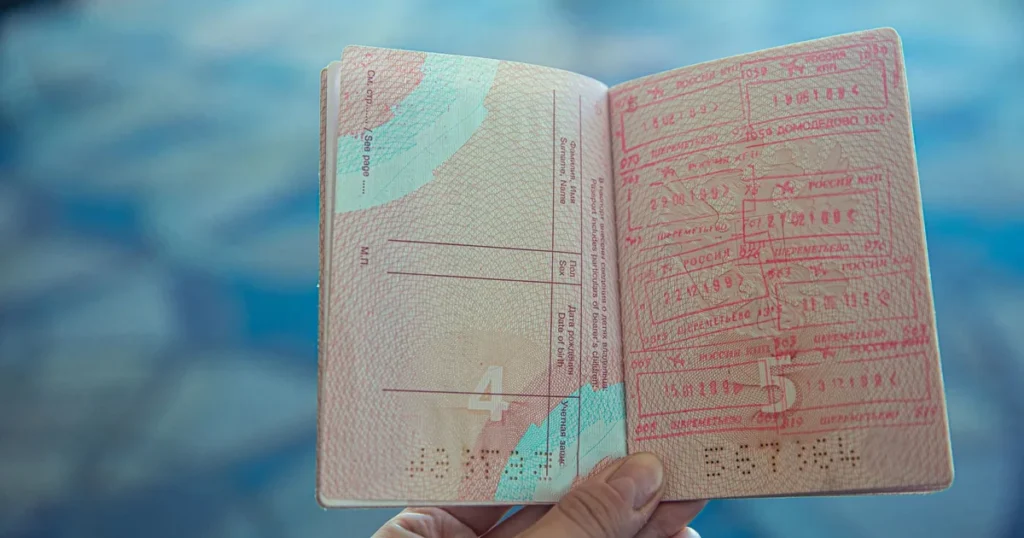
- An apostille on the civil and police documents, or consular legalisation if your country is not part of the apostille convention.
- Certified Spanish translations of anything not already in Spanish.
- Proof of funds sufficient to support yourself for the stay.
- Proof of an address in Argentina.
- Passport photographs to the specified format.
- Health insurance, requested in some cases.
- Proof of the paid application fee.
The apostille is the step people underestimate. It is issued in the country that issued the document, not in Argentina, so a missing one cannot be fixed from Buenos Aires without posting originals home and waiting. Sort it before you fly, and apostille the police check and birth certificate together rather than in two rounds.
Should you apply from home or from inside Argentina?
Applying at the consulate in your home country means you arrive with your status settled, which is the calmer option and the one most universities prefer. Your documents are close at hand and anything missing can be fetched. The trade-offs: you commit before seeing the city, appointment availability is often the bottleneck, and processing times vary between consulates.
Applying inside Argentina through Migraciones suits people who arrive as tourists, start a course, then decide to stay. You see the place first and commit once you are sure. The trade-offs are real: you handle a bureaucratic process in Spanish, you may still need documents apostilled at home, and queues in Buenos Aires can be long.
The practical rule: if you already know you are staying a year, apply at home. If you are testing the water, come as a tourist and decide here, but bring your birth certificate and criminal record check apostilled anyway. They cost little and save a great deal if you change your mind.
What does an Argentine student visa cost, and how long does it take?
Fees change, sometimes with little notice, and Argentina has repriced government charges often. Everything below is a typical range rather than a quotation. Confirm the current figure with the consulate or Migraciones before you budget.
- Government application fee: commonly around 100 to 300 US dollars equivalent, varying by consulate and by whether you apply abroad or in Argentina.
- DNI issuance: a smaller separate charge, usually tens of dollars equivalent.
- Criminal record checks: a modest fee at home, plus a local check if you apply in Argentina.
- Apostilles: usually a small per document fee, more if you use an agency.
- Certified translations: priced per document, and the surprise line in most budgets.
On timing, plan for a few weeks to a few months from starting your paperwork to holding a decision. The variable is rarely the application itself. It is how quickly your home country issues a criminal record check, how long the apostille takes and whether consular appointments are free. Start three months ahead and you will rarely be squeezed.
What does Vamos Academy provide?
We are a Spanish school in Buenos Aires, not an immigration adviser, and we are careful about the distinction. What we provide is the documentation from our side: a formal enrolment and acceptance letter stating your programme, dates and weekly hours in the format consulates expect, confirmation of payment, and answers to the questions a consulate asks about the school. If yours needs something specific, ask and we will produce it.
For most of our students none of this comes up, because they study for a few weeks or months on an ordinary tourist entry. That is the normal case, and we would rather tell you so than sell you a complication.
Course lengths, levels and start dates are on our Buenos Aires Spanish school pages, and the free online level test places you before you arrive, so your first morning is spent learning rather than being assessed.
Frequently asked questions
Can I study Spanish in Argentina on a tourist visa?
For a short course, yes, in most cases. Many nationalities enter visa free for up to 90 days and can take a language course during that stay. Longer or formally accredited study is what the student visa is for. Entry conditions differ by nationality and are revised periodically, so verify your own case with the Argentine consulate or migraciones.gov.ar before booking.
How long does an Argentine student visa take to process?
Plan on a few weeks to a few months. Most of that is preparation rather than the decision: obtaining a criminal record check, having it and your birth certificate apostilled, arranging certified translations, securing an appointment. Starting three months ahead keeps it comfortable. Ask your consulate for its current processing estimate.
Can I work in Argentina on a student visa?
Student residence is granted for study, and any work rights attached are limited and conditional rather than automatic. Do not plan your finances around working, and do not rely on secondhand accounts of what someone was allowed to do years ago. Ask Migraciones or the consulate about the current terms of the status you are applying for.
Do I need to speak Spanish to apply?
Not to apply through a consulate at home, where you can usually be attended in the local language. Applying inside Argentina is another matter, since Migraciones operates in Spanish and English is not widely spoken in government offices. That is a practical argument for starting your course before starting your paperwork.