




Quick answer
Argentina has more than 1,000 recorded bird species, spread across the Pampas around Buenos Aires, Patagonia, the Andean northwest and the subtropical north. September through April covers most of the country. For Magellanic penguins, aim for October to March at Punta Tombo and the Valdes coast.
Argentina holds one of the largest national bird checklists on Earth (just over 1,000 confirmed species, according to the South American Classification Committee), spread across habitats as different as subantarctic forest, high-Andean puna, subtropical rainforest, and city wetlands. The three regions that cover almost everything a visiting birder wants are Buenos Aires (easy, urban, walkable reserves), Patagonia (penguins, seabirds, steppe specialists), and the North (Iberá wetlands and Iguazú Falls rainforest). Below is where to go, what you’ll actually see, and how to book a guided trip if you’d rather not go it alone.
Quick answer
- Argentina’s checklist: 1,048 confirmed bird species (SACC), one of the richest bird lists in the world and among the best in South America.
- Best all-round base: Buenos Aires. The Costanera Sur Ecological Reserve alone has recorded more than 300 species, free entry, no tour required.
- Best for penguins & seabirds: Patagonia. Península Valdés for orcas, sea lions and coastal birds; Punta Tombo (a few hours further south) for the largest Magellanic penguin colony in the world.
- Best for species density: The North. Iberá National Park (360+ species) and Iguazú Falls (around 400 species).
- Best months: September-April for most of the country; December-March specifically for Patagonian seabird colonies.
How many bird species does Argentina have?
Argentina’s official checklist, maintained by the South American Classification Committee, counts 1,048 confirmed species, of which 19 are endemic and 71 are classed as rare or vagrant. Other commonly cited figures put the “stable” resident-and-regular-migrant total closer to 1,000. Either way, it’s one of the richest bird lists of any country in the world, though it sits behind the equatorial heavyweights (Colombia, Peru, Brazil, Indonesia and Ecuador all pass 1,500 species). That diversity comes from the sheer range of habitats packed into one country: subantarctic Nothofagus forest and steppe in the south, high-altitude puna and cloud forest in the northwest, and Atlantic Forest rainforest in the northeast.
If you only remember one bird, make it the rufous hornero: Argentina’s national bird, common in gardens, parks and roadside trees across most of the country (including Buenos Aires). It builds a distinctive dome-shaped mud nest that looks exactly like a clay oven, which is where its name comes from.
A language note: “hornero” comes from horno, the Spanish word for oven, the same root you’ll see in “panadería” (bakery) and menu items like pan horneado. Small details like this are usually the fastest way to make new vocabulary stick once you start taking classes.
Other species you’re likely to see without any special effort almost anywhere in central and northern Argentina: the southern lapwing (tero), chimango caracara, monk parakeet, and in wetter spots, the roseate spoonbill and several species of ibis.
Looking for photos of Argentina’s birds? The free Merlin Bird ID app (Cornell Lab) includes photo and sound packs for Argentina you can download before you travel, and the Macaulay Library and eBird species pages hold thousands of user-submitted photographs filterable by region, useful both for identifying what you saw and for deciding which species to target before you go.
Where is the best bird watching in Argentina?
Most trip planning comes down to three regions. You can birdwatch productively in any one of them alone, or combine two if you have 10+ days.
| Region | Best for | Species to look for | Best months |
|---|---|---|---|
| Buenos Aires | Easy access, no guide needed, city break + birding | Rufous hornero, southern screamer, rosy-billed pochard, greater rhea | September-April |
| Patagonia | Penguins, marine mammals, steppe endemics | Magellanic penguin, black-faced ibis, torrent duck, Magellanic woodpecker | September-April (penguins peak Oct-Mar) |
| The North | Highest species density, rainforest & wetland specialists | Toco toucan, harpy eagle, strange-tailed tyrant, Andean condor | Year-round; April-September is cooler and drier |
Buenos Aires
Buenos Aires is the easiest place in Argentina to start birding, and you don’t need a car, a guide, or an early flight, just a morning. The Costanera Sur Ecological Reserve, a 350-hectare protected wetland on the Río de la Plata a short walk from Puerto Madero, has recorded roughly 340 bird species over the years, and it’s genuinely normal to log 40-50 species in a single two-hour visit. Expect greater rhea, southern screamer, rosy-billed pochard, and the rufous hornero along the trails and lagoons; entry is free and the paths are flat and well maintained.
Two other worthwhile day trips from the city: the Otamendi Natural Reserve, a Ramsar-listed wetland about 70 km up the Paraná Delta in Buenos Aires Province, and the coastal areas around San Clemente del Tuyú and Punta Rasa on the Atlantic, which host migratory shorebirds including the white-faced ibis and the Maguari stork in season.
Tip: Go to Costanera Sur early on a weekday morning, birds are more active and the paths are quieter than on weekends, when it fills up with joggers and cyclists.
Spend your mornings birding, your afternoons learning Spanish
Costanera Sur is a 15-minute walk from Puerto Madero, easy to fit around a class schedule if you’re spending a few weeks in the city. See how a Spanish course in Buenos Aires fits around trips like this.
Explore Spanish classes in Buenos AiresPatagonia
Península Valdés, on the Atlantic coast of Chubut Province, is best known for orcas, southern right whales, elephant seals and sea lions, but its cliffs and beaches also hold seabird colonies and species like the black-faced ibis, white-headed steamer-duck, and rufous-legged owl. A common mix-up worth clearing up: the world’s largest mainland colony of Magellanic penguins isn’t actually on the peninsula itself. It’s at Punta Tombo, a few hours’ drive south, where close to a million penguins nest between September and April. Both sites are usually visited from the town of Puerto Madryn.
Further south, Tierra del Fuego and the city of Ushuaia, the southernmost city in the world, give access to Nothofagus forest, wetlands, and coastline in one relatively compact area. Look for the Patagonian tinamou, Magellanic woodpecker, torrent duck, and fire-eyed diucon. It’s also the usual departure point for expedition trips to Antarctica.
Plan for distance: Patagonia is enormous, flights, long-distance buses, or a rented 4×4 are all realistic ways to cover it, but don’t expect to combine Península Valdés, Punta Tombo, and Tierra del Fuego in a couple of days. Budget for internal flights or a full week if you want to see all three.
The North: Iberá & Iguazú
Iberá (protected since 2018 as Iberá National Park alongside the older provincial reserve, together covering roughly 1.3 million hectares) is the second-largest wetland system in the world after Brazil’s Pantanal, and holds more than 360 recorded bird species. Expect herons, ducks, ibises, the striking roseate spoonbill, and the endangered strange-tailed tyrant, alongside non-bird highlights like giant anteaters and, in some areas, reintroduced jaguars.
Iguazú Falls, on the border with Brazil, is both a natural wonder and a serious birding destination in its own right, more than 400 species have been recorded in the surrounding Atlantic Forest, including toco toucans, hummingbirds, and, for the very lucky, the harpy eagle. Between the falls and Iberá, this is the region for the highest species count per day of any part of the country.
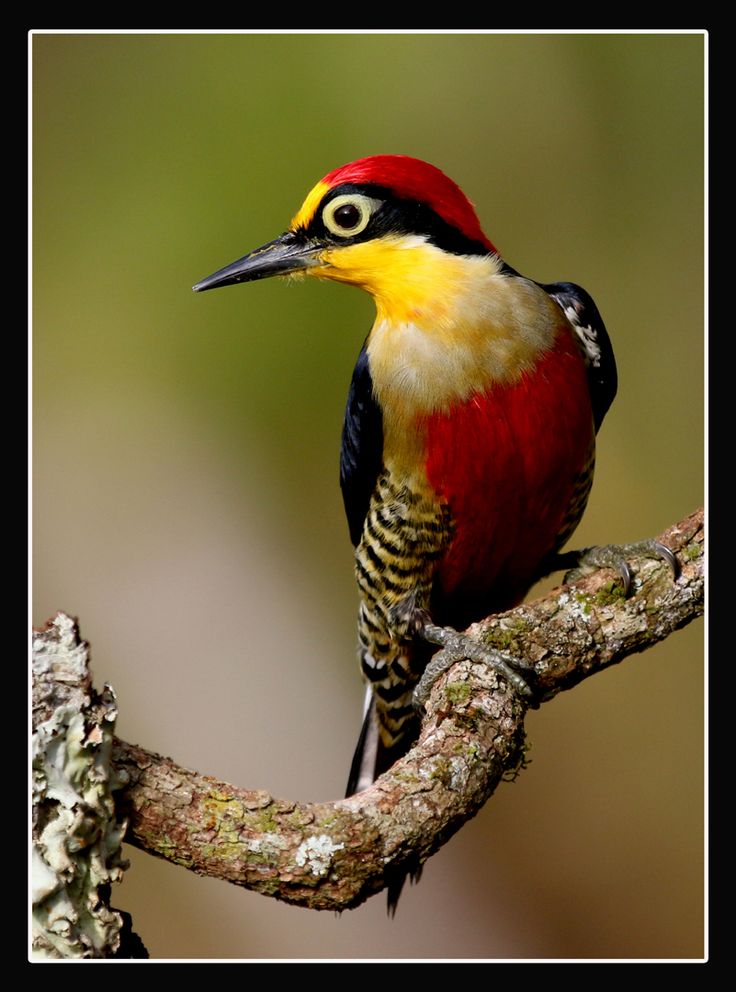
In the northwest, the Andes Altiplano and Yungas cloud forest add high-elevation specialists like the Andean condor, puna tinamou, and Andean flicker, while the Chaco savanna between the Paraná and Pilcomayo rivers is the place for the Chaco nothura and greater rhea.
- Pick one region per trip. Buenos Aires for an easy add-on, Patagonia for penguins and seabirds, the North for maximum species count.
- Check the season. September-April covers most of the country; penguin colonies peak October-March; the northwest cloud forest is best in the shoulder seasons.
- Decide guided vs. self-guided. Costanera Sur needs no guide. Iberá, Iguazú backcountry trails, and Patagonian steppe birding are easier and safer with a local guide.
- Book transport early. Domestic flights and 4×4 rentals for remote areas get booked up in peak season (December-February, and July for the northwest).
- Bring the basics. Binoculars, a field guide or app (eBird and Merlin both cover Argentina well), sun protection, and layers, temperature swings between regions are large.
What birds can you see in Buenos Aires?
Because it’s the most commonly asked question from first-time visitors, here’s a quick species list specific to the city and its immediate surroundings, mostly centered on the Costanera Sur Ecological Reserve:
FREE RESOURCES
Free Spanish study pack
Printable study sheets from our teachers, plus one short email a week.
One email, then a short weekly tip. Unsubscribe any time.

TripAdvisor Travelers' Choice winner
Read the Buenos Aires reviews
Written by Raquel CobosSchool Manager, Vamos Academy
- Greater rhea: Argentina’s largest bird, present in the reserve’s open grassland areas.
- Southern screamer: a large, loud waterbird common around the lagoons.
- Rosy-billed pochard: a striking diving duck, easiest to see in the cooler months.
- Rufous hornero: Argentina’s national bird, common throughout the city’s parks, not just the reserve.
- Maguari stork and white-faced ibis: more reliably seen on day trips to Otamendi or the Atlantic coast near San Clemente del Tuyú.
None of this requires booking anything in advance: the reserve is open to the public daily, free of charge, and well signposted from Puerto Madero.
Are there guided bird watching tours in Argentina?
Yes, several established international operators run scheduled Argentina birding trips, and all of them are worth checking for current 2026 departure dates before booking:
- Rockjumper Birding Tours: small groups, guide-led itineraries across multiple Argentine regions.
- Field Guides: long-running specialist operator with dedicated Argentina departures, including northwest-focused trips aimed at regional endemics.
- WINGS Birding Tours: comprehensive, list-focused itineraries covering the Pampas, Patagonia, and Tierra del Fuego.
- Naturalist Journeys: birding paired with broader nature and cultural stops, including Iguazú’s Macuco Trail.
- Tropical Birding: multi-habitat itineraries that sometimes combine birding with wine-region visits.
- Birding Ecotours: conservation-oriented trips at competitive price points.
Prices, group sizes and exact routes change year to year, so treat this as a shortlist of reputable names to check directly rather than a fixed price guide: always confirm current itineraries and departure dates on the operator’s own site before booking. If you’d rather not join a scheduled group tour, hiring a local bird guide for a single day in Iberá, Iguazú, or around Puerto Madryn is usually easy to arrange locally and considerably cheaper.
Tip: A little conversational Spanish goes a long way with local, non-English-speaking bird guides in the North and Patagonia, even basic phrases for directions, numbers, and bird names make guided days noticeably smoother.
Want enough Spanish to talk birds with a local guide?
A few weeks of classes is usually enough to hold a basic conversation about directions, wildlife, and daily plans, useful well beyond the birding trail.
See course options and registerPlanning to stay in Argentina longer than a tourist visa allows? See our guide to study, work and digital nomad visas in Argentina, and pair your birding trip with other Buenos Aires outings in our guide to outdoor activities in Buenos Aires.
Frequently asked questions about bird watching in Argentina
How many bird species live in Argentina?
Around 1,000 confirmed species, 1,048 on the South American Classification Committee’s official checklist, making Argentina one of the most bird-diverse countries in the world.
What is the best time of year for bird watching in Argentina?
September through April covers most of the country and most species. If Magellanic penguins are the priority, aim for October through March, when the colonies at Punta Tombo and along the Valdés coast are active.
Where can I see birds in Buenos Aires?
The Costanera Sur Ecological Reserve is the main site, free, central, and open daily. For migratory shorebirds, day trips to Otamendi Natural Reserve or the Atlantic coast near San Clemente del Tuyú are worth the extra effort.
Is Costanera Sur good for birdwatching?
Yes. The 350-hectare reserve has recorded roughly 340 species over time, and 40-50 in a single visit is a realistic expectation, especially early on a weekday morning.
What are the most common birds of Argentina?
The rufous hornero (the national bird), southern lapwing, chimango caracara, and monk parakeet are common across much of the country, alongside waterbirds like herons and ibises wherever there’s wetland habitat.
Are there luxury birding tours in Argentina?
Yes, several international operators, including Rockjumper, Field Guides, and WINGS, run higher-end, small-group itineraries with expert guides. Confirm current pricing and dates directly with the operator, since these change from season to season.
Do I need a guide for bird watching in Patagonia?
Not strictly, but it helps. Distances are large and some of the best sites (like Punta Tombo) involve driving remote roads: a local guide saves time and dramatically improves your odds with harder-to-find species.
Can I go birding at Iguazú Falls?
Yes, the national park and surrounding Atlantic Forest have more than 400 recorded species, including toco toucans and hummingbirds, making it one of the best birding destinations in the country alongside the falls themselves.
Test yourself
Quick quiz
Quick quiz: birds of Argentina
0 of 5 answered