




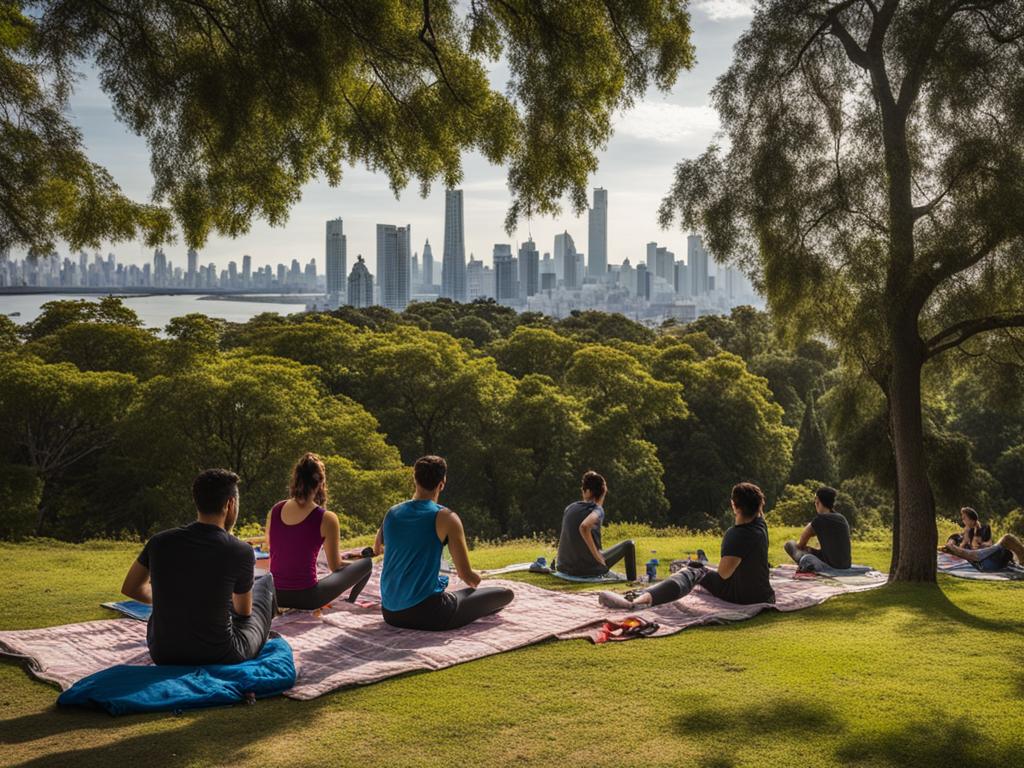
Buenos Aires, the vibrant capital of Argentina, is not just a city of hustle and bustle. It also offers a myriad of outdoor adventures for nature lovers and adventure seekers. From hiking trails and biking tours to nature excursions and outdoor sports, Buenos Aires has something for everyone. Immerse yourself in the city’s lush parks, lively markets, and cultural attractions to experience the perfect blend of nature and culture. In this complete guide, we will take you through the best outdoor activities in Buenos Aires, providing you with all the information you need to make the most of your time in the city.
Key Takeaways:
- Discover a wide range of outdoor activities in Buenos Aires.
- Explore the city’s lush parks and gardens for a tranquil escape.
- Embark on guided outdoor tours to experience the best of Buenos Aires.
- Get adventurous with hiking and biking trails in and around the city.
- Experience the unique beauty of the Tigre Delta and the gaucho culture in San Antonio de Areco.
- Study Spanish in Buenos Aires while discovering the city center
Top Outdoor Tours in Buenos Aires
Buenos Aires offers a multitude of outdoor tours that allow visitors to explore the city’s natural beauty and cultural attractions. Whether you’re interested in cruising the waterways of Tigre Delta or embarking on a gaucho day tour, there is something for everyone to enjoy. These guided tours provide a unique opportunity to learn about the history and culture of Buenos Aires while immersing yourself in its breathtaking landscapes.
One popular outdoor tour in Buenos Aires is the boat tour of Tigre Delta. This excursion takes you through the maze of canals and islands, allowing you to witness the beauty of this unique natural area. You can visit local markets, enjoy a traditional Argentine barbecue, and even take a ride on a catamaran. The Tigre Delta tour offers a peaceful escape from the city and provides a glimpse into the charming riverside communities.
For those interested in the gaucho culture, a day trip to San Antonio de Areco is a must. This tour takes you to a traditional ranch town where you can witness gaucho demonstrations, visit estancias, and even participate in horseback riding. Immerse yourself in the rich cowboy heritage of Argentina and experience the scenic countryside surrounding Buenos Aires.
Other outdoor tours in Buenos Aires include bike tours, which allow you to explore the city’s neighborhoods and landmarks on two wheels, and private day trips to Iguazu Falls, where you can witness the awe-inspiring power of the waterfalls. Whether you’re looking for adventure, cultural immersion, or simply a relaxing day in nature, the outdoor tours in Buenos Aires offer something for everyone.
Top Outdoor Tours in Buenos Aires
| Tour | Highlights |
|---|---|
| Tigre Delta Boat Tour | Explore the waterways of Tigre Delta, visit local markets, and enjoy a catamaran ride. |
| Gaucho Day Tour in San Antonio de Areco | Witness gaucho demonstrations, visit estancias, and go horseback riding. |
| Bike Tour of Buenos Aires | Explore the city’s neighborhoods and landmarks on a bike. |
| Private Day Trip to Iguazu Falls | Experience the power and beauty of the waterfalls on a private day trip. |
Discover Buenos Aires Parks and Gardens
Buenos Aires, the vibrant capital of Argentina, is not only known for its cultural landmarks and bustling city life but also for its beautiful parks and gardens. These natural havens provide a tranquil escape from the urban hustle and bustle, offering visitors a chance to relax and enjoy the outdoors. From expansive green spaces to unique attractions, Buenos Aires parks and gardens have something for everyone.
Recoleta Park
One of the most iconic parks in Buenos Aires, Recoleta Park is located in the elegant Recoleta neighborhood. This park is known for its beautiful rose garden, which showcases a wide variety of roses in different colors and fragrances. Visitors can take leisurely strolls through the park’s tree-lined paths, admire the sculptures and fountains, or simply find a spot to relax and enjoy a picnic. Recoleta Park is also home to the stunning Recoleta Cemetery, where many famous Argentinians are buried.
Puerto Madero Ecological Reserve
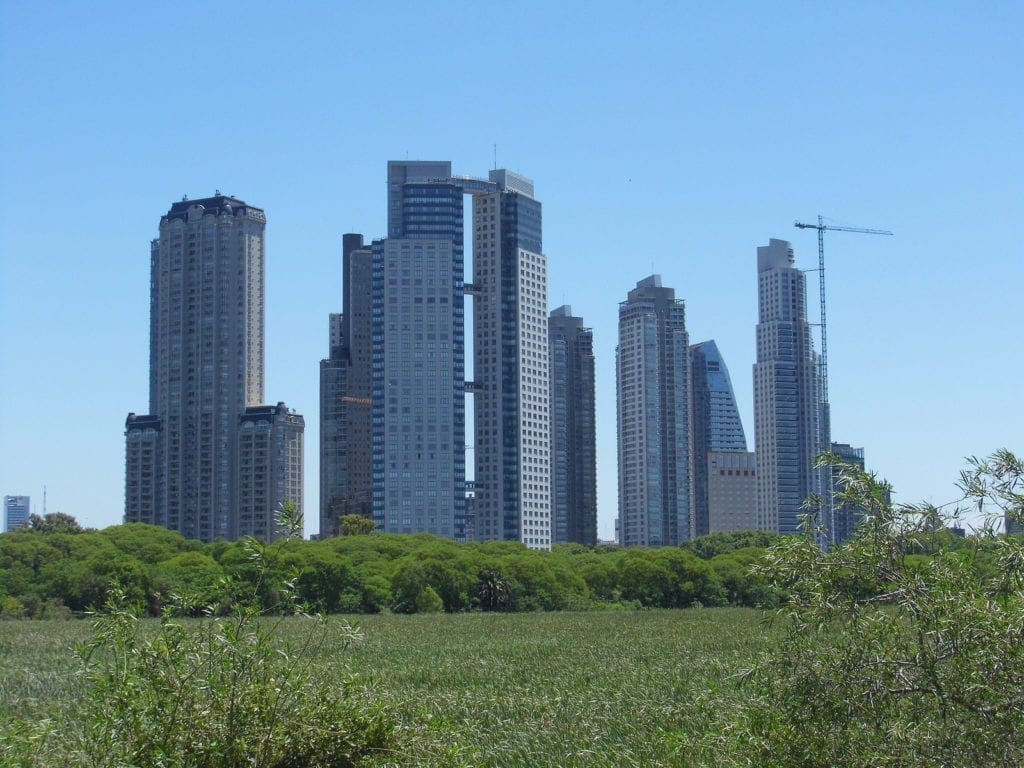
Located along the waterfront of the Puerto Madero neighborhood, the Puerto Madero Ecological Reserve is a unique natural area that offers a glimpse of the city’s biodiversity. This reserve is home to a wide variety of plant and animal species, making it a perfect destination for nature lovers and birdwatchers. Visitors can explore the reserve’s trails and boardwalks, observe the native flora and fauna, and enjoy breathtaking views of the city skyline.
Botanical Garden
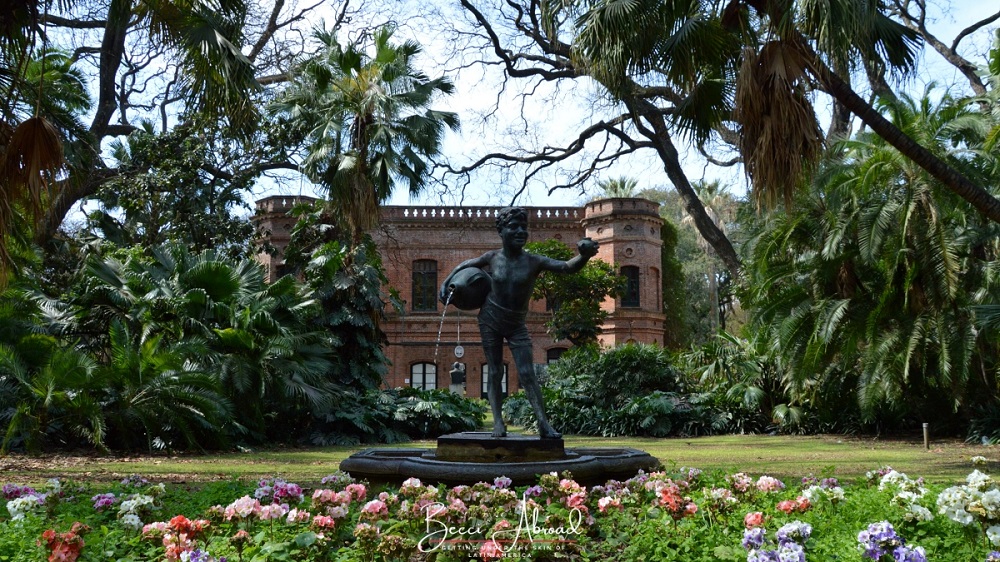
The Botanical Garden of Buenos Aires is a true oasis in the heart of the city. This expansive garden features over 5,500 plant species, including a wide variety of native and exotic plants. Visitors can wander through the different sections of the garden, such as the French Garden, the Roman Garden, and the Japanese Garden, each offering a unique and serene atmosphere. The Botanical Garden also hosts various events and exhibitions throughout the year, making it a dynamic and vibrant outdoor space.
| Park/Garden | Location | Main Attractions |
|---|---|---|
| Recoleta Park | Recoleta neighborhood | Rose garden, sculptures, Recoleta Cemetery |
| Puerto Madero Ecological Reserve | Puerto Madero neighborhood | Trails, boardwalks, wildlife observation |
| Botanical Garden | Palermo neighborhood | French Garden, Roman Garden, Japanese Garden |
Exploring the parks and gardens of Buenos Aires is not only a way to connect with nature but also an opportunity to appreciate the city’s rich cultural heritage. These outdoor spaces provide a serene and picturesque backdrop, where visitors can enjoy leisurely activities, take in the beauty of their surroundings, and create lasting memories. Whether you’re a nature enthusiast or simply looking for a peaceful retreat, Buenos Aires parks and gardens are sure to leave you refreshed and inspired.
Get Adventurous with Hiking and Biking in Buenos Aires
Buenos Aires offers several opportunities for hiking and biking enthusiasts to explore the city’s natural surroundings. There are numerous hiking trails in and around Buenos Aires, ranging from easy walks to more challenging treks. These trails take you through scenic landscapes, including forests, mountains, and waterfalls. For cycling enthusiasts, there are organized biking tours that explore different parts of the city and its outskirts. These tours provide an opportunity to see Buenos Aires from a different perspective while enjoying the outdoors.
Whether you’re a beginner or an experienced hiker, Buenos Aires has hiking trails suitable for all levels of fitness and adventure. One popular trail is the Reserva Ecológica Costanera Sur, located near the city center. This urban reserve offers a chance to escape the bustling streets and immerse yourself in nature. The trail winds through wetlands, offering scenic views of the Rio de la Plata and a variety of bird species.
If you prefer biking, Buenos Aires has a vibrant cycling culture and a network of bike paths that make it easy to explore the city on two wheels. You can rent a bike and join a guided tour that takes you through the streets of Buenos Aires, stopping at iconic landmarks and hidden gems along the way. The tours are led by knowledgeable guides who provide insights into the city’s history, culture, and architecture.
Hiking Trails in Buenos Aires
If you’re looking for a challenging hike, the Sierra de la Ventana region is a great option. Located a few hours south of Buenos Aires, this mountain range offers a range of hiking trails that cater to different skill levels. The trails take you through rugged terrain, dense forests, and picturesque waterfalls. The highlights include the Cerro Ventana, a towering rock formation with stunning views, and the Salto de Agua Escondido, a hidden waterfall nestled in the mountains.
Buenos Aires is also a gateway to the stunning landscapes of Patagonia. From the city, you can take a flight or bus to Bariloche, a popular destination for outdoor enthusiasts. Bariloche is surrounded by the Andes Mountains and offers a wide range of hiking and biking trails. Whether you want to summit a mountain peak, explore glacial lakes, or cycle through the picturesque countryside, Bariloche has something for everyone.
| Hiking Trail | Difficulty | Distance |
|---|---|---|
| Reserva Ecológica Costanera Sur | Easy | 6 km |
| Cerro Ventana | Moderate | 16 km |
| Salto de Agua Escondido | Moderate | 10 km |
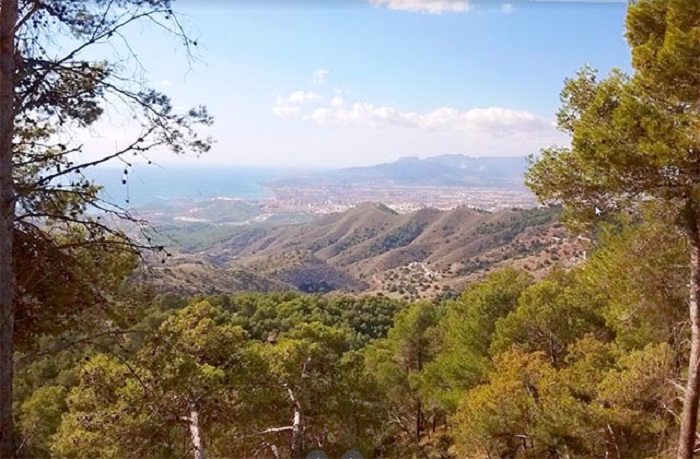
In conclusion, Buenos Aires offers a wide range of outdoor activities for adventure seekers and nature lovers. Whether you prefer hiking through lush forests, cycling through the city streets, or exploring the stunning landscapes of Patagonia, there is something for everyone. The city’s diverse outdoor offerings make it an ideal destination for those looking to immerse themselves in nature and experience the thrill of outdoor sports and recreation.
Experience the Beauty of Tigre Delta
Buenos Aires is not only known for its vibrant city life but also for its picturesque natural attractions. One such gem is the Tigre Delta, located just outside of Buenos Aires. The Tigre Delta is a unique area characterized by a labyrinth of waterways and islands, offering a serene escape from the hustle and bustle of the city.
A popular way to experience the beauty of the Tigre Delta is by taking a tour. A Tigre Delta tour allows you to navigate through the canals on a boat, immersing yourself in the tranquil surroundings. As you cruise along, you’ll be treated to stunning views of the lush vegetation, charming houses, and local wildlife. The tour also provides an opportunity to visit the local markets, where you can indulge in delicious food and purchase unique souvenirs.
The Tigre Delta tour is an outdoor activity that offers a refreshing break from the city’s bustling streets. It allows you to connect with nature, unwind, and appreciate the region’s natural beauty. Whether you choose a half-day or full-day tour, exploring the Tigre Delta is an experience that shouldn’t be missed during your visit to Buenos Aires.
Exploring the Tigre Delta: A Table of Highlights and Tips
| Activity | Highlights | Tips |
|---|---|---|
| Boat Tour | Scenic views, charming islands, wildlife spotting | Bring sunscreen, hat, and insect repellent. Dress comfortably. |
| Market Visit | Local cuisine, handicrafts, unique souvenirs | Try traditional Argentine dishes and explore the local crafts. |
| Exploring Isla Martin Garcia | Historical tours, nature walks, birdwatching | Wear comfortable shoes for walking and bring binoculars for birdwatching. |
| Kayaking Adventure | Immersive nature experience, paddling through the rivers | Bring a waterproof bag for personal belongings and keep hydrated. |
Exploring the Tigre Delta offers a unique outdoor experience, allowing you to witness the natural beauty of Buenos Aires. Whether you choose to embark on a boat tour, visit the local markets, explore Isla Martin Garcia, or go on a kayaking adventure, each activity promises its own set of highlights and excitement. So, pack your bags, grab your camera, and get ready to immerse yourself in the breathtaking beauty of the Tigre Delta.
Discover the Gaucho Culture in San Antonio de Areco
Immerse yourself in the rich gaucho culture of Argentina with a day trip to San Antonio de Areco. Located near Buenos Aires, this traditional ranch town offers a glimpse into the cowboy way of life. Experience the scenic countryside, visit estancias (ranches), witness gaucho demonstrations, and even participate in horseback riding.
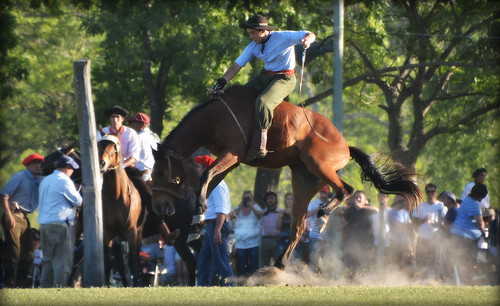
Take a gaucho day tour in San Antonio de Areco and learn about Argentina’s cowboy heritage while enjoying the great outdoors. Explore the picturesque landscapes, interact with friendly gauchos, and gain insights into their equestrian skills. This outdoor activity provides an immersive experience that combines culture, history, and nature.
San Antonio de Areco is known for its authentic gaucho traditions and charming atmosphere. Wander through its cobblestone streets, visit local artisan workshops, and explore the historic museums. The town’s rustic charm and scenic beauty make it a popular destination for those seeking a unique outdoor adventure.
Table: Highlights of a Gaucho Day Tour in San Antonio de Areco
| Activity | Description |
|---|---|
| Horseback Riding | Experience the thrill of riding like a gaucho and explore the countryside on horseback. |
| Gaucho Demonstrations | Witness traditional gaucho skills, such as horsemanship and lassoing, performed by local experts. |
| Estancia Visit | Step into the world of gauchos by visiting an estancia, where you can learn about their way of life and enjoy a traditional Argentine barbecue. |
| Artisan Workshops | Discover the craftsmanship of local artisans as they create traditional gaucho accessories and handicrafts. |
| Historic Museums | Immerse yourself in the history of San Antonio de Areco through its museums, showcasing the gaucho culture and regional heritage. |
Embark on a gaucho day tour in San Antonio de Areco and delve into the cultural heritage of Argentina’s cowboys. From horseback riding to immersive experiences at local estancias, this outdoor activity offers a unique perspective on the country’s history and traditions.
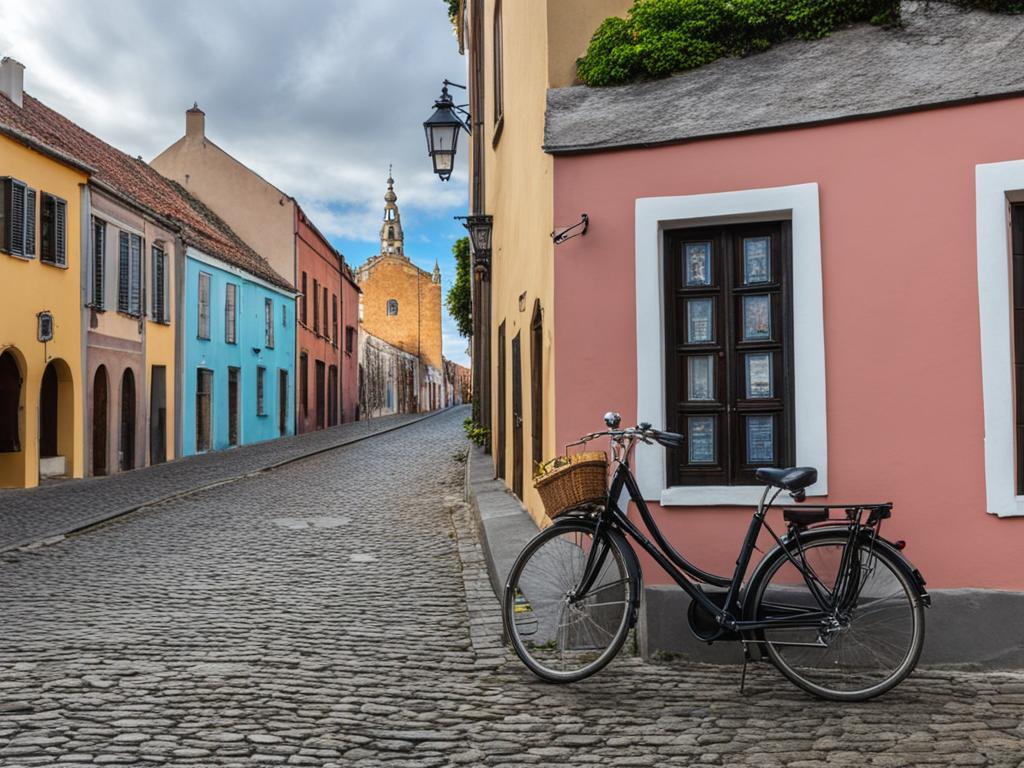
Table: Highlights of a Colonia Day Trip from Buenos Aires
| Highlights | Details |
|---|---|
| Historic Quarter | Explore the charming streets, visit historical sites, and enjoy stunning views from the lighthouse. |
| Local Cuisine | Indulge in traditional Uruguayan dishes, such as chivito sandwiches and asado, at local restaurants. |
| Artisan Markets | Browse unique handmade crafts, including leather goods, ceramics, and textiles. |
| Relaxation | Escape the bustling city and enjoy the laid-back atmosphere of Colonia’s streets and waterfront. |
A day trip to Colonia from Buenos Aires offers a delightful change of pace from the bustling streets of the Argentine capital. Whether you’re exploring the town’s historic sites, indulging in local cuisine, or simply soaking in its charming ambiance, Colonia is a destination that shouldn’t be missed on your visit to Buenos Aires.
Enjoy Outdoor Sports and Recreation in Buenos Aires
Buenos Aires offers a wide range of outdoor sports and recreational activities for those who enjoy staying active. Whether you’re a sports enthusiast or simply looking to stay fit during your visit, the city has something to offer. From football matches at local stadiums to tennis and golf at prestigious clubs, there are plenty of options to choose from.
For those who prefer more casual outdoor activities, Buenos Aires has beautiful parks and lakes where you can jog, cycle, or simply enjoy a leisurely stroll. These green spaces provide a peaceful escape from the bustling city and offer a chance to connect with nature. Whether you’re a seasoned athlete or just starting out, the city’s outdoor spaces provide the perfect setting for exercise and relaxation.
If you’re looking for something a bit more adventurous, Buenos Aires also offers opportunities for kayaking and other water sports. The city’s lakes and waterways provide the perfect backdrop for these activities, allowing you to explore the outdoors while having fun. Whether you’re paddling along the Tigre Delta or trying your hand at stand-up paddleboarding, there’s no shortage of excitement when it comes to outdoor sports in Buenos Aires.
Table: Outdoor Sports and Recreation in Buenos Aires
| Sport/Activity | Location | Details |
|---|---|---|
| Football | Local stadiums | Watch professional matches or join a local team |
| Tennis | Prestigious clubs | Play a match or take lessons from professional instructors |
| Golf | Prestigious clubs | Enjoy a round of golf on world-class courses |
| Jogging | Parks and lakes | Explore the city’s green spaces while staying fit |
| Cycling | Parks and designated bike lanes | Ride through the city’s bike-friendly areas and enjoy the scenery |
| Kayaking | Lakes and waterways | Explore the city’s lakes and waterways by kayak |
Whether you’re a sports enthusiast or simply looking to enjoy the outdoors, Buenos Aires has something to offer. From traditional sports like football and tennis to more leisurely activities like jogging and cycling, there are endless opportunities to stay active and have fun. So, embrace the outdoor spirit of Buenos Aires and make the most of your time in this vibrant city.
Experience the Vibrant Buenos Aires Nightlife
When the sun goes down, Buenos Aires comes alive with a vibrant and energetic nightlife scene. From trendy rooftop bars with panoramic city views to lively open-air terraces, there are plenty of options to enjoy outdoor activities while immersing yourself in the city’s vibrant energy.
One of the highlights of the Buenos Aires nightlife is the diverse music scene. From sultry tango shows to pulsating electronic music, there is something for everyone’s taste. You can dance the night away to the rhythm of Latin beats or enjoy live performances by local bands and international DJs.
Outdoor restaurants and bars also offer a unique dining experience. Whether you’re sipping a cocktail under the stars or enjoying a delicious meal al fresco, the outdoor ambiance adds an extra touch to your culinary delights. From traditional Argentine parrillas (steakhouses) to international cuisines, Buenos Aires has a plethora of options to satisfy your taste buds.
Capture the Essence of Buenos Aires Nightlife
As you explore the Buenos Aires nightlife, you’ll discover the true essence of the city. The lively atmosphere, the passionate music, and the warm hospitality of the locals create an unforgettable experience. Whether you’re mingling with the locals in a bustling bar or dancing the night away in a trendy nightclub, the Buenos Aires nightlife scene will leave you with lasting memories.

| Outdoor Nightlife Destinations | Highlights |
|---|---|
| Rooftop bars | Enjoy panoramic views of the city while sipping cocktails |
| Open-air terraces | Dance the night away under the stars |
| Live music venues | Experience the vibrant local music scene |
| Outdoor restaurants | Savor delicious meals al fresco |
| Street markets | Explore the bustling markets and try local street food |
Whether you’re a night owl looking for a memorable night out or simply want to soak up the lively atmosphere of Buenos Aires, the city’s vibrant nightlife offers a delightful blend of outdoor activities and cultural experiences. So, make sure to add experiencing the Buenos Aires nightlife to your itinerary and enjoy the city’s vibrant energy under the stars.
Indulge in Culinary Delights at Outdoor Restaurants and Markets
When it comes to gastronomic experiences, Buenos Aires doesn’t disappoint. The city’s vibrant food scene extends to its outdoor restaurants and markets, offering visitors a chance to indulge in delicious culinary delights while enjoying the fresh air and lively atmosphere. From trendy outdoor cafes in Palermo to traditional parrillas (steakhouses) in San Telmo, there is a wide array of dining options to satisfy every palate.
Outdoor restaurants in Buenos Aires provide a unique dining experience, allowing guests to savor delectable dishes while immersing themselves in the city’s vibrant surroundings. Whether you’re enjoying a leisurely brunch or a romantic dinner under the stars, these alfresco dining spots offer a delightful ambiance and a chance to people-watch as the city buzzes around you.
For those who prefer a more casual dining experience, Buenos Aires’ outdoor markets are a culinary paradise. These bustling marketplaces, such as Feria de Mataderos and Feria de San Telmo, showcase the best of Argentine cuisine. Here, you can sample traditional dishes like empanadas, choripán, and asado, alongside an array of fresh produce, cheeses, and handicrafts. It’s the perfect opportunity to immerse yourself in the local food culture and discover new flavors.
Whether you choose to dine at an outdoor restaurant or explore the vibrant markets, indulging in Buenos Aires’ culinary offerings is a must-do for any food lover. So grab a seat at a sidewalk cafe, savor a mouthwatering steak, and immerse yourself in the flavors of Buenos Aires.
Conclusion
Buenos Aires is a vibrant city that offers a multitude of outdoor activities for visitors to enjoy. Whether you’re exploring the parks and gardens, embarking on guided tours, or indulging in outdoor sports and recreation, there is something for everyone.
The city’s natural beauty and cultural richness make it an ideal destination for outdoor enthusiasts. The lush parks and gardens provide a tranquil escape from the bustling city, while the hiking trails and biking tours allow you to immerse yourself in the stunning landscapes surrounding Buenos Aires. Guided tours offer a chance to learn about the city’s history and culture, while outdoor sports and recreational activities keep you active and engaged.
So, lace up your hiking boots, grab your bike, and get ready to explore Buenos Aires’s outdoors. Whether you’re a nature lover, adventure seeker, or simply looking for a change of pace, Buenos Aires has something to offer. With its diverse range of outdoor activities, this vibrant city invites you to unleash your sense of adventure and make lasting memories.