

馬拉加兒童和家庭西班牙語課程

適合全家人的高質量課程
無論您是探索西班牙還是與孩子一起在馬拉加度假,我們的沉浸式課程都將説明您的孩子為真正的文化沉浸體驗做好準備。 我們專門為他們提供個性化課程。 請放心,父母可以指望他們的孩子與我們一起獲得身臨其境和豐富的語言學習體驗。
Study plan · Spanish classes for children in Málaga
Spanish for kids
Spanish classes for children and teenagers in Málaga, where they learn by playing. Through songs, stories, role-plays and creative projects, children gain confidence and a love of the language. Sessions of 60 to 90 minutes, one-to-one or in small groups (siblings or friends), adapted to each age (6 to 16) and each family: from school support to full immersion. Verifiable progress from A1 to B2, aligned with the CEFR.
For children and teens: ages 6 to 16 one-to-one or small groups 60 to 90 min school support or immersion CEFR certificate
Learning by playing
For children, play is the engine of learning. Every class blends fun and Spanish, adapting to each child's age and level, in a safe and motivating setting.
The method
Play and creativity
Songs, stories, drama, crafts and role-plays. Children learn vocabulary and structures without the weight of a formal course.
Made to fit
Adapted to each age
Ages 6 to 9, short visual activities; 10 to 12, projects and mini presentations; 13 to 16, debates, creative writing and teen topics.
Academic progression
Assuming a moderate pace of 5 hours a week, this is the estimated progression. Each level combines classes with playful independent tasks (drawing, recording audios, mini diaries). A1 and A2 are designed for children and B1 and B2 for teens. Levels C1 and C2 aren't recommended for children's programmes: the realistic goal is to reach B1 or B2.
| Level (CEFR) | Class hours | Self-study | Total | Estimated duration (at 5 h/wk) |
|---|---|---|---|---|
| A1 | 60 h | 30 h | 90 h | 12 weeks · 3 months |
| A2 | 60 h | 30 h | 90 h | 12 weeks · 3 months |
| B1 | 80 h | 40 h | 120 h | 16 weeks · 4 months |
| B2 | 80 h | 40 h | 120 h | 16 weeks · 4 months |
Competences and content by level
Each level sets out what the child achieves, the content they work on and a sample activity. Choose a level to see the detail.
"Your first words: you say hello, introduce yourself and ask for what you need, through play."
Competences
- Understand and use frequent everyday expressions
- Introduce yourself and answer basic personal questions
- Interact in simple situations if spoken to slowly and clearly
Content
- Vocabulary: greetings, numbers, colours, family, school and games
- Grammar: present indicative, gender and number, articles and basic verbs (ser, estar, tener)
- Functions: ask for information, describe objects and people, express needs
"You tell us about your day: what you did, your routines and what you like."
Competences
- Understand phrases of immediate relevance (school, leisure, family)
- Communicate in simple, routine tasks
- Narrate past experiences and describe routines
Content
- Vocabulary: housing, health, transport, school routines and hobbies
- Grammar: past tenses (perfect and preterite), comparatives and personal pronouns
- Functions: narrate experiences, express likes, give basic instructions
"You manage on your own: you give opinions, narrate in detail and join simple debates."
Competences
- Understand the main points of clear texts on familiar topics
- Cope with travel or school situations
- Produce simple, coherent texts on familiar topics
Content
- Vocabulary: travel, youth culture, sports and basic technology
- Grammar: imperfect past, simple future, conditional and basic subjunctive
- Functions: express opinions, narrate in detail, argue in a simple way
"You argue with ease: you defend your ideas and write about what you love."
Competences
- Understand the main ideas of more complex texts, concrete and abstract
- Interact fluently and spontaneously with native speakers
- Produce clear, detailed texts on a wide range of topics
Content
- Vocabulary: the media, social networks, youth culture and school relationships
- Grammar: advanced subjunctive, conditional sentences and reported speech
- Functions: defend opinions, write argumentative texts, take part in debates
How they learn
Playful, experiential and flexible classes, where play, culture and digital resources make learning meaningful and motivating.
Play and creativity
Role-plays, songs, drama and crafts. The language comes in naturally, multi-sensorially and with fun.
Language and culture
Stories, children's music, gastronomy and traditional festivals, so children live Spanish in its real context.
Resources and projects
Platforms like Quizlet or Wordwall, and small projects at home (mini diaries, audios, interviewing a grandparent) with the teacher's follow-up.
Assessment
Assessment is continuous, motivating and age-appropriate: it comes in playful formats, without the pressure of a rigid exam.
Initial diagnostic
Playful activities (introduction games, short role-plays) place the child at their level, without causing anxiety.
Ongoing formative
Immediate, positive feedback that values participation and creativity, with age-appropriate rubrics.
Summative by level
At the end of each level, a creative task (a role-play, an email, an activity with stories) confirms the objectives.
Certification
Internal certificate aligned with the CEFR
At the end of each level, the child receives a ¡Vamos! Academy certificate that documents their progress and the hours completed, with age-appropriate rubrics.
Preparation for older students
Teenagers who want official accreditation can prepare for DELE Escolar or SIELE Juvenil, both internationally recognised.
Shall we begin?
Tell us your child's age and what you're after (school support, first classes or immersion), and we'll give them a fun placement check so they start off right.
我們在馬拉加為家庭和兒童開設的西班牙文課程 我們所有的選擇
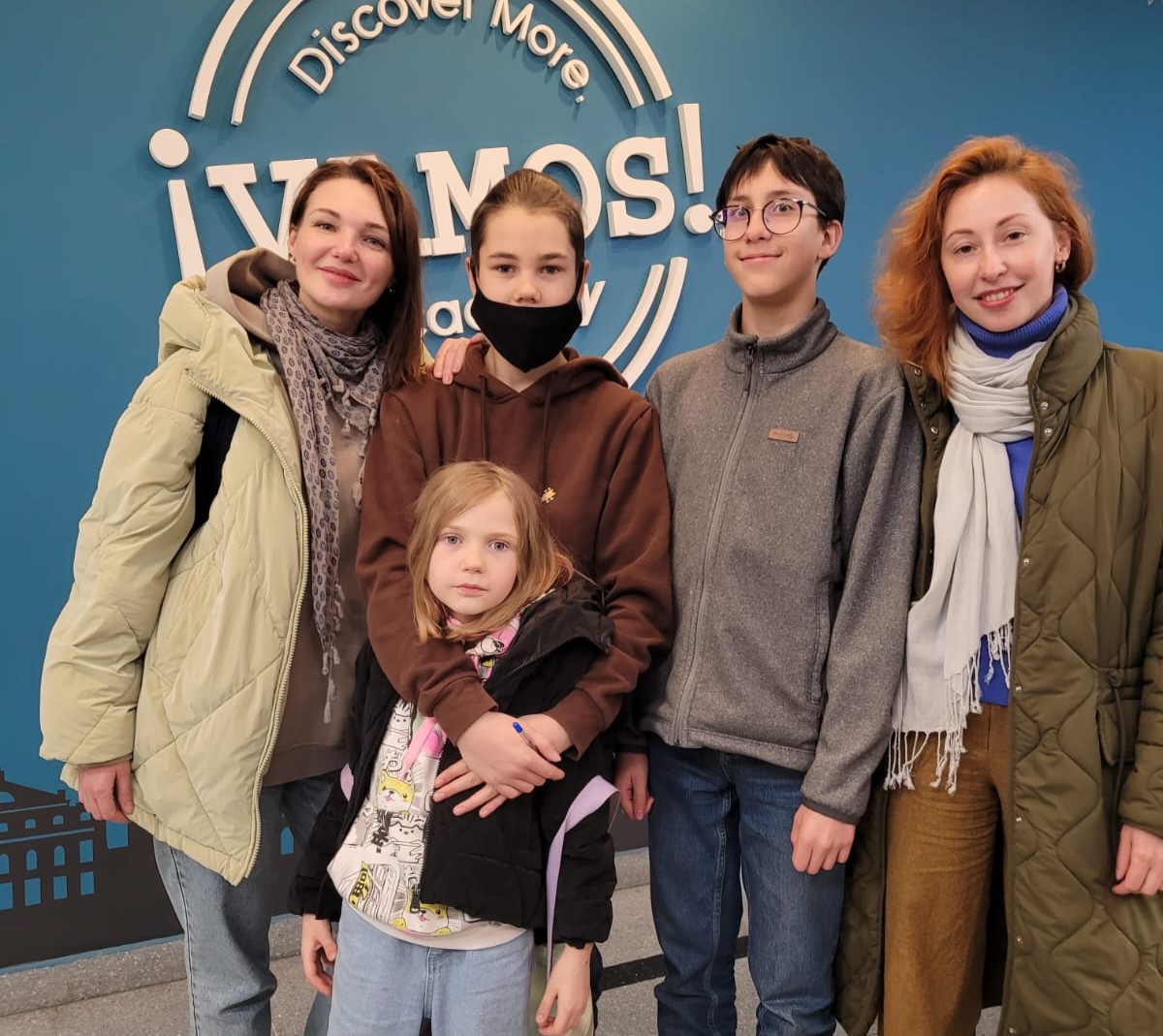

馬拉加兒童和家庭的私人團體課程
我們相信學習應該根據您的需求和願望量身定製。 這就是為什麼我們花時間瞭解您的獨特目標並設計與這些目標完全一致的課程。 不,所有的家庭都是一樣的,我們經驗豐富的講師致力於確保您的學習經歷反映這一點。
在Vamos Academy,您可以控制自己的學習之旅。 選擇您每周想要的課程數量和每節課的持續時間,無縫地適應您繁忙的日程安排。 無論是每週一次的冒險還是身臨其境的日常體驗,我們都能滿足您的需求!
那麼,為什麼還要等呢? 通過我們的家庭和兒童私人團體課程,步入個人化和引人入勝的學習世界。 釋放你的潛力,與家人建立聯繫,踏上每一步都激發快樂和知識的旅程。 準備好以前所未有的方式體驗馬拉加學習的魔力!
馬拉加兒童個人西班牙文課程
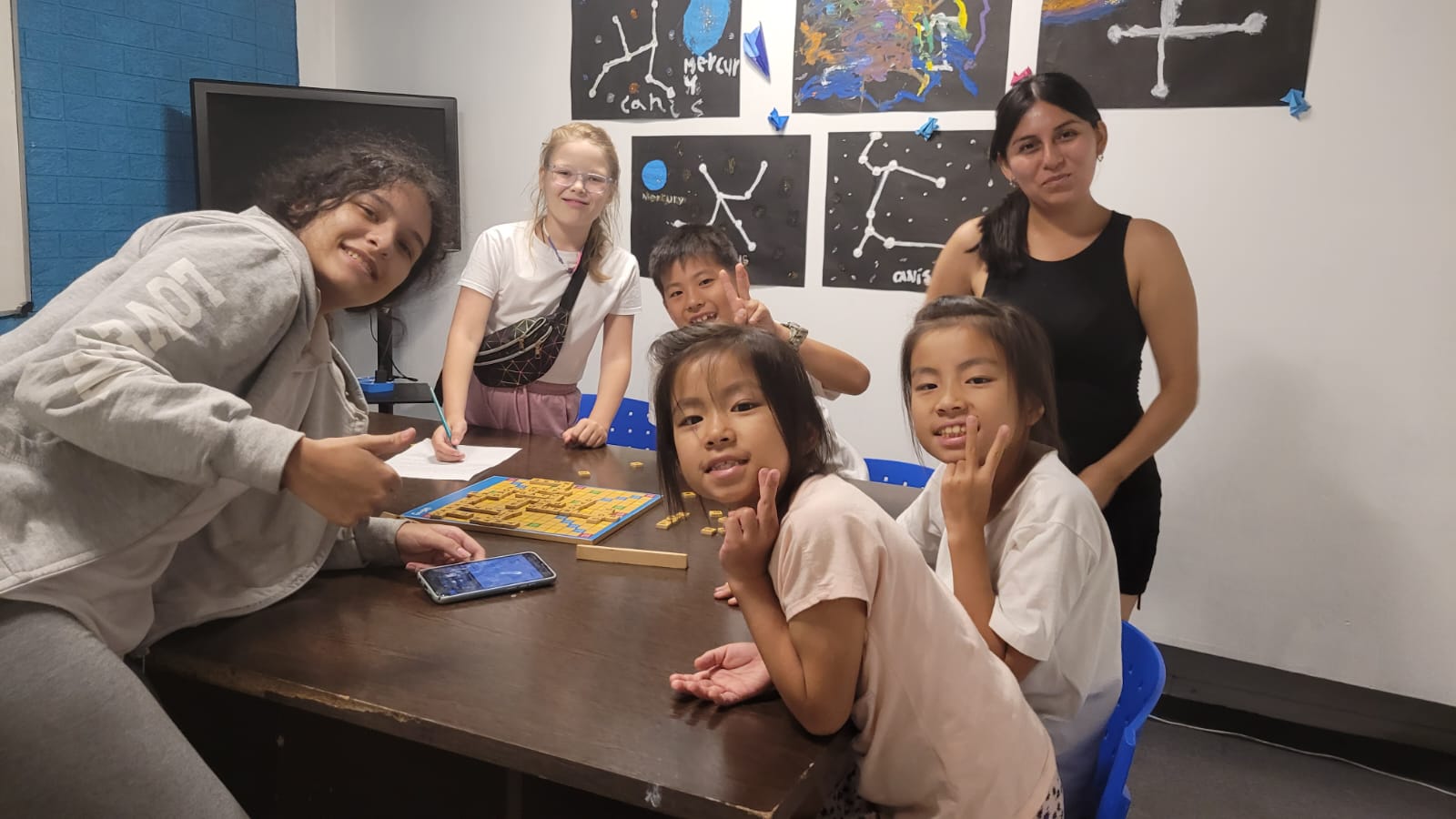
我們為孩子們開設的個人化西班牙語課程是獨一無二的。 憑藉我們超級友好和一流的教師團隊,孩子們得到了他們應得的所有關注。
我們的課程是專門為滿足您孩子的興趣和節奏而設計的。 從提高他們的聊天技巧到在西班牙文考試中取得優異成績,我們確保他們在學習時玩得開心。 家長們,你們負責! 選擇課程數量和持續時間,輕鬆將西班牙文融入孩子繁忙的日程安排中,享受愉快的旅程。
準備好享受西班牙脫口秀的樂趣吧! 我們的課程鼓勵孩子們用西班牙文聊天,從第一天起就建立信心。 但這還不是全部, 激動人心的見解和酷炫的視聽活動為我們的年輕冒險家帶來了西班牙的魔力。
加入我們的馬拉加瓦莫斯學院,孩子們在這裡結交終生的朋友,潛入西班牙文,並在難忘的語言之旅中咯咯笑。 ¡瓦莫斯! 讓我們一起踏上愉快的西班牙冒險之旅吧!

馬拉加兒童夏令營
準備好在馬拉加瓦莫斯學院的夏令營中享受文化沉浸式體驗吧! 非常適合探索西班牙或在馬拉加度假的家庭,我們的動態計劃提供了大量令人興奮的活動。
通過音樂、美食和激動人心的活動,讓您的孩子沉浸在充滿活力的西班牙文文化世界中。 我們的夏令營超越了課堂,確保孩子們自信地用西班牙文表達自己。 憑藉敬業的員工和積極的氛圍,我們創造了難忘的語言學習體驗。
為什麼選擇馬拉加VAMOS學院進行家庭課程?
01. 最佳位置
與您的家人和孩子一起在馬拉加學習西班牙文,並陶醉於我們優越的地理位置,距離迷人的 La Malagueta 海灘僅幾步之遙。 沐浴陽光,練習西班牙文,在海邊創造難忘的回憶。
02. 私人和寄宿家庭住宿選擇
我們提供一系列住宿選擇,包括私人和寄宿家庭選擇,都位於La Malagueta海灘附近,交通便利。 體驗您自己空間的溫暖和舒適,或與我們的寄宿家庭一起享受身臨其境的文化體驗。
03. 根據您的日程安排靈活學習
定製您的西班牙語學習體驗,以適應您家人繁忙的日程安排。 通過靈活的上課頻率和持續時間,您可以在教育和休閒之間取得完美的平衡,確保在馬拉加度過充實而愉快的時光。
04 身臨其境的文化體驗:
與家人一起在馬拉加瓦莫斯學院學習西班牙文,可以開啟身臨其境的文化體驗。 參與當地傳統,參加激動人心的活動,展示這座迷人城市的活力精神。
讓我們回答您孩子的班級問題 
這門課程有年齡限制嗎?
這門課程有特殊要求嗎?
家長可以和孩子一起學習嗎?
如何評估我孩子的水準?
年輕學習者的材料與成人的材料有何不同?
建議年輕學習者的持續時間是多少?
你們為兒童和低齡學習者開設的課程的年齡範圍是多少?
我怎樣才能為我的孩子註冊課程,註冊過程是怎樣的?
有問題嗎? 立即與我們預約免費諮詢!