


Argentine ñoqui Tradition
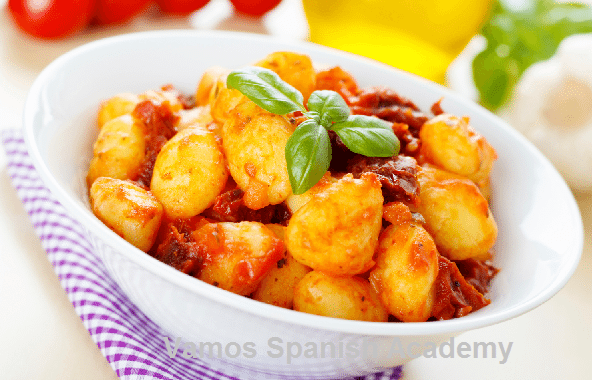
Not having much luck (financially) these days? May be because you didn’t eat ñoquis (gnocchi) on the 29th last month! Yes, here in Argentina, we have a tradition (or some say, superstition) of eating ñoquis on the 29th of every month for luck. Like many cultural customs here, this tradition stems from the Italian immigrants who came to work and live in Argentina in the 19th century. Ñoquis are little dumplings made from potato and flour, and are traditionally served in tomato sauce. A very easy to make and economical dish.
There are generally 2 popular versions to the origin of this gnocchi custom:
Where To Enjoy a Pint of Craft Beer in Buenos Aires
Reading about Buenos Aires from far away?
Our school is in the middle of it: small-group Spanish classes with local teachers who send you to the places tourists never find.
Spanish classes in Buenos AiresFREE RESOURCES
Free Spanish study pack
Printable study sheets from our teachers, plus one short email a week.
One email, then a short weekly tip. Unsubscribe any time.

The Italian immigrants were on a meager salary. Since they got paid on the first of  every month, by the end of the month, there wasn’t much money left and they could only afford inexpensive meal. So on the day before pay day, ñoquis became the best option because not only they can be made cheaply, but also they are nutritional and very belly-filling.
Nowadays, to add to the ‘effort’, when you eat your ñoquis dish, also put money underneath your plate. After you finish the meal, some say carry that money with you which will bring you luck, or some say you have to donate that money to charity in order to get good fortune. Since this has become such a tradition that on this very day, you’ll see many businesses in Buenos Aires like restaurants, supermarkets and pasta shops offering some type of ñoquis specials.
Also Read: