 VAMOS
VAMOS Moving to Spain from Canada in 2026: Full Guide
Canada’s move to the Hague Apostille Convention in January 2024 changed the document chain for Canadians moving to Spain, and a lot of existing guides still describe the older process. Here is the current visa decision tree, the correct RCMP and Global Affairs Canada apostille chain, and the tax and driving licence realities specific to Canadian applicants, handled while you are still in Canada.
- Abogada colegiada
- Since 2009
- Remote from Canada
- English + Spanish
Not sure which visa fits?
Tell us whether you’re retiring, working remotely, or being sponsored, and we confirm the right route and your correct consulate jurisdiction before you gather a single document.
Free consultation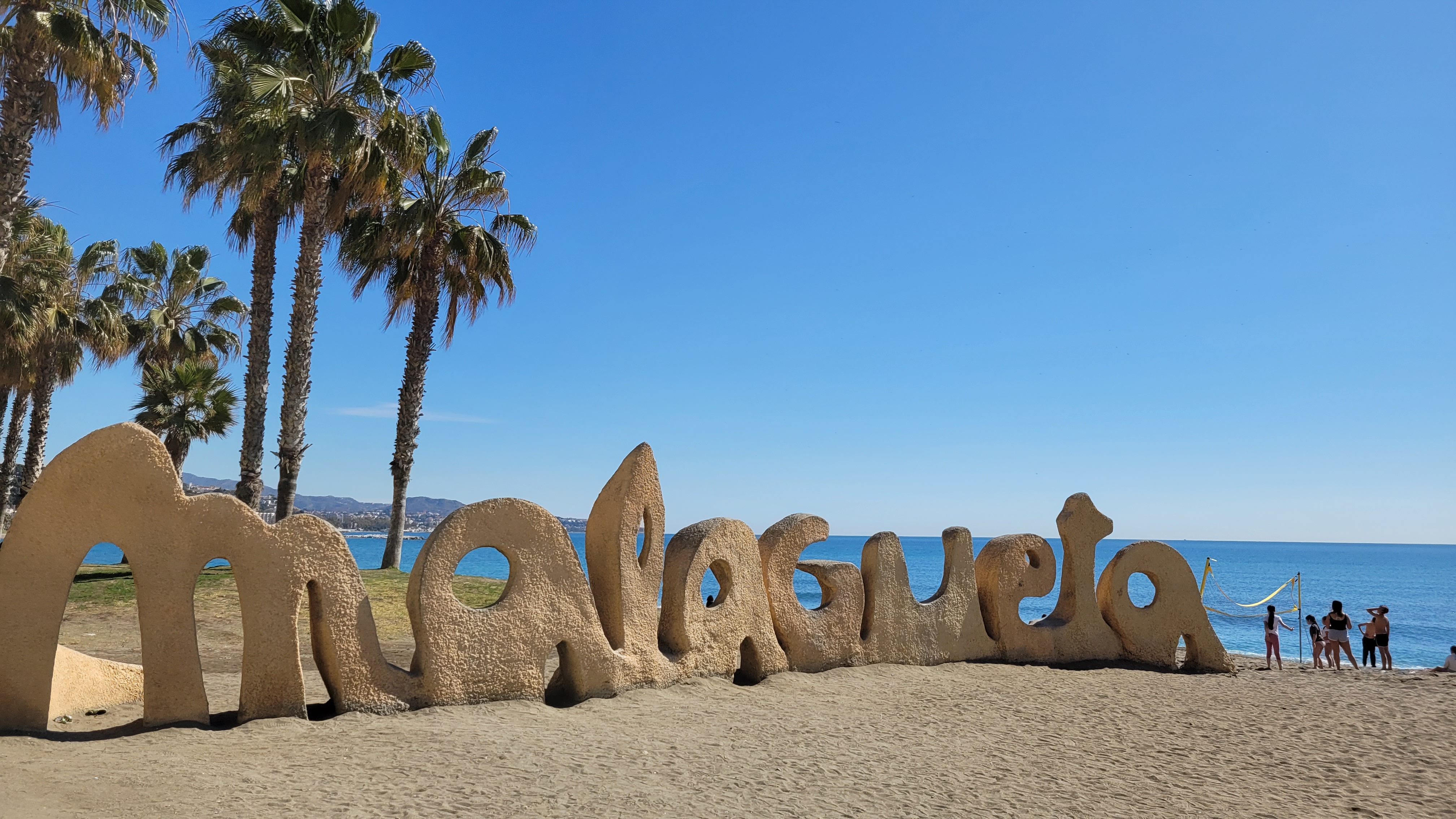
Canadians moving to Spain choose a visa the same way Americans and other non-EU nationals do, most commonly the non-lucrative visa for retirees and savings-based movers, or the digital nomad visa for remote workers. The document chain has one distinctly Canadian wrinkle: since January 2024 Canada is a full Hague Apostille Convention member, so an RCMP-level criminal record check now needs only a single Global Affairs Canada apostille, not the older two-step authentication process many guides still describe. Canada taxes residents, not citizens, so leaving does not create a lifetime US-style filing obligation, though a departure tax can apply in your exit year. Canada has no driving licence exchange agreement with Spain, so plan for the Spanish test rather than a simple swap. We handle the whole file remotely while you are still in Canada.
The visa decision tree for Canadians
Canadians have no free movement into Spain and choose a visa route through the same non-EU system as Americans, Britons moving now, or any other nationality without an EU passport. Four routes cover the great majority of Canadian applicants.
Retiring or living off savings, no work in Spain: the Non-Lucrative Visa, requiring sufficient passive income or savings, roughly 400 percent of the annual IPREM indicator for the main applicant in 2026, without earning Spanish-source income. Continuing to work remotely for a Canadian or other non-Spanish employer or clients: the Digital Nomad Visa, with its own income threshold pegged to Spain’s minimum wage and a Spanish social security registration requirement. Studying in Spain: the Student Visa, which since the 2025 reform allows up to 30 hours a week of work without a separate permit. Being sponsored by a Spanish employer: the Work Visa, or the Highly Qualified Professional route on the UGE fast track for managers and specialists.
Which Spanish consulate in Canada handles your file
Spain maintains an embassy in Ottawa and consulates general in Toronto and Montreal, each assigned a defined jurisdiction based on your province of legal residence, not whichever office happens to be most convenient to reach. Filing at the wrong office, or filing while your legal residence has recently changed provinces, is a common and entirely avoidable source of delay.
We confirm your correct consulate before you gather a single document, since appointment availability and processing patterns can differ noticeably between the three offices, and a file started at the wrong one often has to restart from the beginning.
The RCMP check and Global Affairs Canada apostille chain, post-2024 rules
Most Spanish consulates require a certified criminal record check at the RCMP national level, not a local police service or provincial check, generally obtained through fingerprint-based screening submitted to the RCMP directly or through an accredited third-party provider. That certificate then needs to be legalized for use in Spain.
Since 11 January 2024, Canada is a full member of the Hague Apostille Convention. A single apostille issued by Global Affairs Canada is now enough to make your RCMP certificate, and most provincial documents like birth and marriage certificates, valid for use in Spain.
Before that date, Canadian documents needed a longer authentication and legalization chain, Global Affairs Canada authentication followed by a separate legalization stamp from the Spanish consulate itself, and a considerable amount of content published before January 2024 still describes that older two-step process. Applicants who follow an outdated guide sometimes request an unnecessary second legalization step, or approach the consulate for a stamp it no longer issues under the new system.
After the apostille, the document still needs a certified Spanish translation before a consulate will accept it, one further sequential step worth planning into your timeline rather than discovering at the filing appointment. See our Criminal Record + Apostille Spain guide for the full document-by-document breakdown.
Realistic timeline given RCMP processing plus consulate wait times
RCMP-level criminal record checks commonly take several weeks to a couple of months depending on the method used and current processing volumes, and the Global Affairs Canada apostille adds further time on top, though considerably less than the old two-step process required. Consulate processing for a non-lucrative or digital nomad visa then commonly takes one to three months after a complete file is submitted, varying by which of the three Canadian offices handles it.
Add four to eight weeks for the TIE card after arrival, and most Canadian clients should realistically budget four to seven months from starting the RCMP check to holding a physical TIE card. Starting that first check the day you decide to move, rather than the week before you plan to file, remains the single highest-leverage step in the entire timeline.
Tax traps: Canada-Spain tax treaty basics
The most important difference between Canadian and American movers sits here. The United States taxes citizens on worldwide income regardless of residence; Canada does not. Canada taxes based on residency, so once you genuinely sever Canadian tax residency, judged on a factual test of your residential ties, not simply the date you fly out, you generally stop filing a full Canadian resident return. This is a real, structural advantage over the citizenship-based US system, and one many Canadian clients are relieved to have confirmed explicitly.
Severing residency is not free of consequences: Canada applies a departure tax, a deemed disposition of most property at fair market value on the date residency ends, which can trigger a capital gain in your final Canadian tax year even though nothing was actually sold. Once you are a Spanish tax resident, spending more than 183 days in Spain in a calendar year or centring your vital interests there, Spain taxes worldwide income under the same rule that applies to any other nationality; see our Tax Residency Spain guide for how that test works.
RRSP holders should plan carefully. Spain does not automatically extend the same tax-deferred treatment Canada gives an RRSP, so investment growth inside the account can become currently taxable in Spain in a given year even without any withdrawal, an important point to raise with a cross-border tax adviser before relocating rather than after your first Spanish tax return is due.
The Canada-Spain tax treaty then reduces double taxation on income that remains taxable in both countries, and a separate Canada-Spain Social Security Agreement coordinates CPP and OAS pension entitlements, though that agreement addresses pension totalization, not healthcare access, which works differently.
Healthcare and driving licence exchange for Canadians
Before your visa is granted, you need a private health insurance policy with full coverage in Spain, no co-payments, and no waiting periods, a hard document requirement at the consulate stage since Canadian provincial health plans do not cover care delivered abroad. Once resident, options depend on your situation: employees and autonomos gain access through Spanish Social Security contributions, while others typically continue on private insurance or opt into convenio especial, a modest monthly public-system buy-in. Unlike UK or EU state pensioners, Canadians are not eligible for the S1 form route, since that specific reciprocal arrangement does not extend to Canada. See our Healthcare in Spain for Expats guide for the full comparison.
On driving, Canada has no reciprocal exchange agreement, canje, with Spain, unlike the UK and a specific list of other countries. Canadian residents can generally drive on a valid Canadian licence for a limited period after becoming resident, but after that, without a canje available, the realistic path is enrolling in a Spanish autoescuela and passing the theory and practical driving tests, the same route anyone without a reciprocity agreement has to take. See our Driving Licence Exchange Spain guide for the full country list and the practical test path if yours is not on it.

The Malaga angle
Canadian buyers and retirees are a smaller but steadily growing presence on the Costa del Sol, and almost no Malaga-based firm currently targets Canadian movers specifically, most existing Canadian-facing content online is either a generic relocation blog or a Canadian gestoria service with no Spanish legal presence at all. We handle eligibility review, document preparation, and consulate filing entirely by video call and email while you are still in Canada.
Once your visa is approved and you are ready to travel, a power of attorney signed at your local Spanish consulate lets us handle in-country steps, NIE assignment and TIE booking, on your behalf, so your first weeks in Malaga are lighter on paperwork. See our Moving to Malaga guide for the practical side of settling there, and our Social Security Number Spain guide for what comes next once you start working or registering as autonomo.
Fees for Canadian clients, fixed and published
Fixed professional fees, whichever visa route fits your situation. Government tasas and third-party document costs are separate.
| Service | What’s included | Fixed fee |
|---|---|---|
| Non-lucrative visa | Eligibility check, financial means review, consulate filing, TIE follow-through | €950, +€250 per family member |
| Digital nomad visa | Remote-work evidence, income proof, consulate filing | €900, +€200 per family member |
| NIE + TIE support (via power of attorney) | In-country steps handled remotely once your visa is approved | Included in visa package |
| RCMP + apostille coordination | Guidance through the correct RCMP and Global Affairs Canada chain | From €90 + tasas |
| Tax residency consultation | 183-day rule review, treaty position, departure tax flagging | From €150 |
Government tasas, apostille costs, and translations are paid at cost and confirmed on your free call before anything is booked. All amounts are starting prices and vary with the circumstances of each case. Professional fees exclude 21% VAT. Government fees and third-party costs (sworn translations, notary, medical certificates, insurance) are billed separately.
Three steps, starting from Canada
Free consultation
We identify the right visa route and the correct consulate jurisdiction for your province before you gather a single document.
RCMP check, apostille, filing
We coordinate your RCMP background check, Global Affairs Canada apostille under the current post-2024 rules, and consulate submission, entirely by video call while you are still in Canada.
Arrival, POA, TIE card
A power of attorney lets us handle NIE and TIE steps on your behalf, so your first weeks in Spain are lighter on paperwork.
Trusted by the people we serve
Real Google reviews of VAMOS Academy Malaga, the school and legal office at Calle Reding 6. 4.9 ★ · 510 on Google
“I have been taking classes at Vamos Academy to improve my Spanish so I can connect more with friends and family here in Spain, and it has been such a great experience. My teacher is patient, encouraging, and really knows how to explain.”
“At 72 I thought it was too late to learn and speak a language. Vamos proved me wrong. After several weeks in the school I was able to have limited communication with the locals.”
“The academy has been a great experience. The classes are professional, well-organized, and enjoyable. We have also had amazing cultural experiences. I highly recommend it.”
Why clients choose VAMOS
| VAMOS | National platforms | Typical gestoria |
|---|---|---|
| A named abogada handles your file | Anonymous caseworkers | Forms only, no legal advice |
| Every fee published before you call | Quote after a paid consult | Hourly, open-ended |
| English and Spanish, in-house | Translated support tickets | Spanish only |
| Office in Malaga, next to the extranjeria queue | Barcelona or Madrid, remote | Local but property-first |
Moving from Canada, questions answered
What visa options do Canadians have to move to Spain?
There is no single best option; it depends on your situation. The non-lucrative visa suits retirees or anyone living off savings or passive income without working in Spain. The digital nomad visa suits remote employees or contractors continuing to work for a non-Spanish company. Work and student visas cover employer sponsorship and study respectively. Each has a completely different eligibility test, so picking the wrong one wastes months.
How do I get an RCMP background check apostilled for Spain?
You need a certified criminal record check issued at the RCMP national level, not a local or provincial police check, then an apostille from Global Affairs Canada. Since January 2024, Canada’s move to the Hague Apostille Convention means a single Global Affairs Canada apostille is enough, replacing the older two-step authentication and legalization process.
Which Spanish consulate in Canada should I apply through?
Spain maintains an embassy in Ottawa and consulates general in Toronto and Montreal, each with a defined jurisdiction based on your province of residence. Filing with the wrong office causes delays, so confirming your correct jurisdiction is one of the first things we do.
Did the apostille process for Canadians change recently?
Yes, significantly. Since 11 January 2024, Canada is a full member of the Hague Apostille Convention, replacing the older authentication and legalization chain through Global Affairs Canada and the Spanish consulate together. A lot of guides written before that date still describe the old two-step process, which no longer applies and can send applicants to the wrong office.
Can Canadians get the digital nomad visa for Spain?
Yes. Canadians qualify for Spain’s digital nomad visa on the same terms as other non-EU applicants, showing recurring remote income for a non-Spanish employer or client base at roughly 200 percent of Spain’s minimum wage for the main applicant in 2026, plus smaller amounts per family member.
How long does it take to move to Spain from Canada?
Realistically four to seven months from starting your RCMP background check to holding a physical TIE card, once you add RCMP processing time, the Global Affairs Canada apostille, consulate processing, and the TIE appointment after arrival. Starting the RCMP check early is the single biggest lever over that timeline.
Do Canadians pay double tax between Canada and Spain?
Not in the way many Canadians assume. Canada taxes based on residency, not citizenship, so once you genuinely sever Canadian tax residency, you generally stop filing a full Canadian resident return, unlike Americans, who remain taxable by the US regardless of residence. A departure tax on the deemed disposition of certain assets can still apply in your final Canadian tax year, and the Canada-Spain tax treaty then governs any remaining overlap.
Can I exchange my Canadian driving licence in Spain?
No, not directly. Canada has no reciprocal driving licence exchange agreement, canje, with Spain, unlike UK or certain other nationalities. Most Canadian residents need to pass the Spanish theory and practical driving tests through an autoescuela to get a Spanish licence, the same route as anyone without a canje agreement.
Do I need private health insurance to apply from Canada?
Yes, for most visa types. Non-lucrative and digital nomad visa applicants generally need a private health insurance policy with no co-payments that meets Spanish regulatory requirements, since Canadian provincial health coverage does not extend to care received in Spain.
What’s the biggest document mistake Canadian applicants make?
Assuming the apostille process still works the way it did before January 2024, or relying on a local police check instead of the RCMP’s national-level certificate. Both mistakes cost real weeks once discovered mid-application, which is why we confirm the current chain before a client requests anything.
You might also need
Let’s talk through your situation
Tell us where you’re at, we’ll tell you what it takes, in plain English or Spanish. No obligation.
No obligation. English, Spanish.
Need to go deeper? A full 30-45 minute legal consultation, in person or online, is available from 50 EUR.
- Response time
- Within 24 hours
- Call length
- Free, no obligation
- Languages
- English and Spanish
- Location
- Calle Reding 6, Malaga, or video call