 VAMOS
Moving to Malaga 2026: The Full Relocation Guide
Malaga is one of Europe’s most popular relocation destinations for a reason, sun, connectivity, and a growing international community. We cover neighborhoods, real 2026 costs, schools and healthcare, and the exact paperwork order you actually need to follow, from a Malaga-based abogada colegiada and language academy under one roof.
- Abogada colegiada
- Since 2009
- English + Spanish
- Malaga office
Legal and language, one roof
Handle your NIE, empadronamiento, TIE, and visa paperwork with our legal team, and start learning Spanish at VAMOS Academy, all from Calle Reding 6.
Free consultation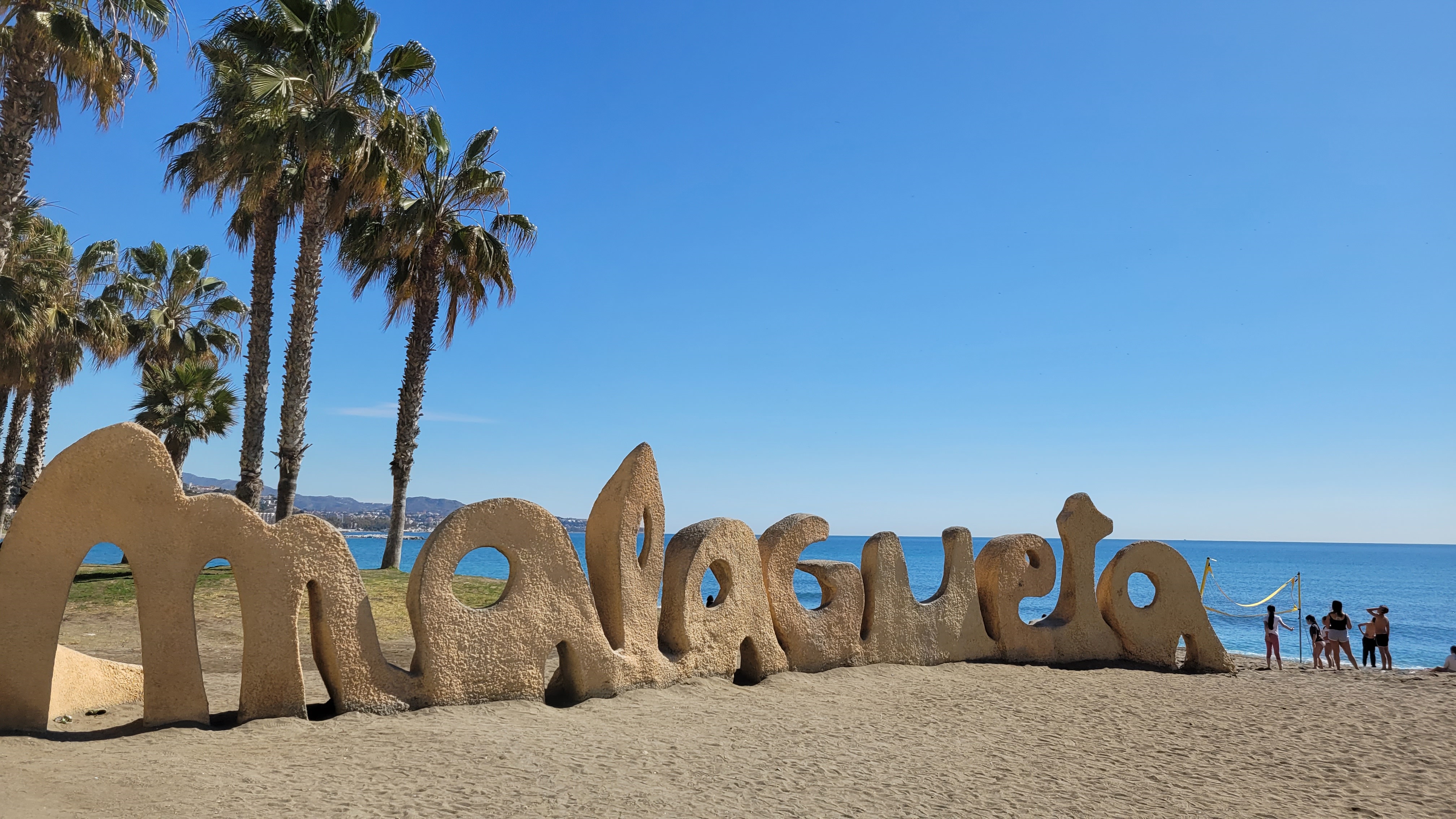
Malaga suits retirees, remote workers, and families thanks to its international airport, over 300 days of sun a year, and a lower cost of living than Madrid or Barcelona, with a single person budgeting 900 to 1,300 EUR a month excluding rent. The paperwork sequence that matters most is: NIE number first, empadronamiento once you have a lease, TIE card fingerprinting if you are a non-EU resident, then a Spanish bank account. VAMOS Academy and VAMOS Spain Legal Services share one Malaga office, so legal paperwork and Spanish classes run under the same roof.
Why Malaga, specifically
Malaga has quietly become one of southern Europe’s most requested relocation cities, and the reasons are practical rather than fashionable. The climate is the obvious start: over 300 days of sunshine a year, mild winters that rarely drop below 8 to 10C, and warm, dry summers, a genuinely different experience from Madrid, northern Spain, or most of the rest of Europe in January.
Connectivity matters just as much. Malaga-Costa del Sol airport runs frequent direct routes across the UK, Ireland, continental Europe, and increasingly North America, which keeps travel back home realistic rather than a multi-leg ordeal. The city has also built a genuine international community over the last decade, driven by remote workers, retirees, and a growing tech and startup scene, so newcomers are rarely the first foreigner their neighborhood has seen.
None of this makes Malaga effortless. Housing demand has pushed rents up sharply in the most central areas since 2020, the Extranjeria appointment system is famously contested, and Spanish bureaucracy does not move faster just because the weather is good. The rest of this guide is about navigating those specific friction points.
The profile of who is actually moving here has shifted noticeably over the past few years. Where Malaga’s foreign community was once dominated by retirees along the coast, the digital nomad visa and a genuine local tech scene, anchored by companies setting up engineering hubs in the city, have brought a younger, working-age wave of arrivals into the city center itself rather than only the outlying beach towns. That has changed which neighborhoods are in highest demand and pushed up prices in areas that were considered purely local a decade ago.
It has also meant Malaga’s services, from English-speaking healthcare providers to international schools to bilingual gestorias and law firms, have expanded faster than in most other mid-sized Spanish cities, so new arrivals generally find more infrastructure already in place than they might expect outside Madrid or Barcelona.

Neighborhoods, an honest overview
There is no universally best neighborhood, only a best fit for your routine. El Limonar and Pedregalejo sit east of the center, quieter, more residential, and popular with families wanting beach access without full city-center noise. Soho and the Centro Historico offer walkable, dense, amenity-rich living that suits remote workers and younger professionals who want cafes, coworking spaces, and nightlife within a few minutes’ walk.
Ciudad Jardin and Cruz de Humilladero, further from the tourist core, offer noticeably better value for the same square meters and still connect easily to the center by bus or metro, at the cost of being less immediately picturesque. Teatinos, near the university, suits students and academics. None of these areas is objectively wrong; the right choice depends on whether you prioritize walkability, quiet, budget, or proximity to a specific school or workplace.
West of the center, areas like La Malagueta sit right against the beach and the port, walking distance to the historic center, and command some of the highest square-meter prices in the city precisely because of that combination. Further out, Churriana and areas near the airport suit people who travel frequently and want a shorter commute to flights, at the cost of a longer commute into the city center itself for daily life.
A detail worth flagging for anyone renting sight unseen: Malaga’s older buildings, especially in the Centro Historico, often lack elevators and can have genuinely steep, narrow staircases, and air conditioning is not universal in older rental stock despite the summer heat. Confirming both of these specifically, rather than assuming a listing includes them, avoids an unpleasant surprise in July.
Cost of living in Malaga, 2026 ranges
Malaga sits comfortably below Madrid and Barcelona on almost every cost metric, though prices in the most central neighborhoods have risen quickly since international demand picked up. A single person’s monthly budget excluding rent, covering groceries, transport, utilities, and everyday spending, commonly runs 900 to 1,300 EUR. Rent is where the range widens the most by area.
| Item | Typical monthly range | Notes |
|---|---|---|
| 1-bedroom apartment, central (Soho, Centro Historico) | €750-€1,100 | Highest demand areas |
| 1-bedroom apartment, residential (Ciudad Jardin, Teatinos) | €550-€850 | Better value, still well connected |
| 3-bedroom family apartment | €1,200-€2,000 | Varies heavily by neighborhood and school proximity |
| Groceries, single person | €250-€350 | Local markets cheaper than supermarket chains |
| Utilities (electricity, water, internet) | €120-€180 | Air conditioning use raises summer bills |
| Public transport pass | €40-€60 | Bus and metro combined pass |
See our Bank Account Spain guide for opening the account you will need to actually pay these costs, and our Tax Residency Spain guide if you plan to spend more than 183 days a year here, since that changes your tax position significantly.
Eating and drinking out remains one of Malaga’s genuine value advantages compared to northern Europe or the US: a set weekday lunch menu (menu del dia) at a typical local restaurant commonly runs 10 to 15 EUR including a drink, and a coffee at a neighborhood bar rarely exceeds 1.50 to 2 EUR. This keeps daily discretionary spending meaningfully lower than most newcomers initially budget for, which is one of the few costs in this guide that tends to run under expectations rather than over.
Car ownership is worth a specific note: Malaga city itself is walkable and well served by bus and metro, and many residents in the center go without a car entirely. Households in Costa del Sol towns further out, or with children attending schools outside the immediate city, often find a car close to essential, which adds insurance, fuel, and parking costs that a purely city-center budget would not need to account for.
Rule of thumb: budget an extra 15 to 20 percent above these figures for your first three months, while you are still learning where the better-value shops, markets, and services are.
Schools and healthcare orientation
Families relocating with children have real options in and around Malaga. Several British curriculum, American curriculum, and International Baccalaureate schools operate in the eastern suburbs and along the western Costa del Sol toward Marbella, with a mix of day and boarding options at the larger institutions. Places at the most established schools fill up well ahead of the academic year, so starting the school search several months before your move date, not after arrival, avoids the worst scramble.
Healthcare access depends on your legal status. Employed residents and their dependents typically get access to Spain’s public system (SNS) through social security contributions once registered. Non-working residents, including most non-lucrative visa holders, generally need private insurance until their residency is established, after which convenio especial becomes an option, paying a monthly fee for public system access. See our Visa Health Insurance Spain guide for exactly what a compliant policy needs to include before you apply.
Malaga’s private clinic network is dense and widely used by expats for speed and English-language service, alongside genuinely well-regarded public hospitals for anything serious. Most families end up using a mix of both rather than relying exclusively on one system.
For families choosing schools specifically, proximity matters more in daily practice than it might seem on a map: several of the strongest international options sit along the coast toward Marbella rather than inside Malaga city itself, which can mean a genuinely long daily commute if you settle in the wrong neighborhood relative to your preferred school. We recommend confirming your shortlist of schools before signing a lease, not after, since reversing that order has led more than one family we have worked with into an unnecessarily long daily school run.
Public schooling is also a realistic and often overlooked option for younger children in particular, since Spanish public schools are free, generally well regarded, and offer genuine language immersion that private international schools, taught mainly in English, do not provide in the same way. Families planning a long-term move, rather than a short posting, sometimes choose public school specifically so their children become genuinely bilingual rather than schooled in an English-language bubble within Spain.
The paperwork sequence, in the right order
This is the single most common source of confusion for new arrivals, since almost every guide lists the same documents without explaining what depends on what. The order that actually works:
- 1. NIE number, your foreigner ID number, needed before almost everything else, including signing a lease in some cases and opening most bank accounts
- 2. Empadronamiento, registering your address at the town hall, which requires a lease or proof of address and your NIE
- 3. TIE card, the physical residency card, for non-EU nationals with an approved visa or permit, fingerprinted in person
- 4. Bank account, most banks require your NIE and often your proof of address (empadronamiento) to open a full account rather than a limited non-resident one
Some of these can overlap: you can often start the bank account process alongside empadronamiento, and EU citizens skip the TIE step entirely in favor of an NIE certificate. But NIE always comes first, since it is the number every later step references. See our dedicated guides for each step: NIE Number Spain, Empadronamiento Spain, TIE Card Spain, and Bank Account Spain.
A step people frequently underestimate is how much every later appointment depends on Malaga’s cita previa booking system, which releases slots irregularly and can disappear within minutes once available. This affects NIE, TIE, and often empadronamiento appointments alike, and it is the single biggest reason relocation timelines slip, not any difficulty with the underlying documents themselves. See our Cita Previa Malaga guide for how that system actually works and how we book around it for clients.
Health insurance and social security registration typically run parallel to this sequence rather than strictly after it: visa holders generally need compliant health insurance in place before or during their visa application, well before the TIE or bank account stage, while employed arrivals register for social security through their employer once working. See our Visa Health Insurance Spain guide and Social Security Number Spain guide for how those two pieces slot into the timeline.
Driving is a final, often-delayed step worth planning for early: non-EU residents typically have 6 months from establishing residency to exchange a foreign driving licence before it becomes invalid to drive on locally, and the exchange process itself has its own document requirements and processing time. See our Driving Licence Exchange Spain guide if you plan to drive once settled, since starting that process on day one of the 6-month window, rather than near its end, avoids a period without a valid licence.

Legal and language, under one roof
VAMOS Academy has run Spanish and English language schools from Calle Reding 6 in Malaga since 2009, and VAMOS Spain Legal Services now operates from the same office. New arrivals can handle their NIE, empadronamiento, TIE, and visa paperwork with our legal team while enrolling in Spanish classes at the academy next door, rather than juggling a lawyer’s office on one side of town and a language school on the other.
This matters more than it sounds: clients navigating both immigration paperwork and daily Spanish life often need both services in the same season, and having one point of contact for scheduling, billing, and general orientation questions removes a layer of friction that otherwise falls on the newcomer to coordinate themselves.
It also means the legal team already understands, in practical terms, what a new arrival’s first months actually look like, since the academy sees the same population of new residents building their daily Spanish life. That overlap shows up in small but real ways: knowing which local bank branches are genuinely responsive to non-resident accounts, which neighborhoods our students and clients have found workable for their budget, and which common early mistakes, like signing a lease before confirming a school place, are worth flagging before a client makes them.
Costa del Sol towns near Malaga worth knowing
Malaga city is not the only option within easy reach of its airport. Marbella and Estepona to the west offer a more upscale, resort-oriented lifestyle with strong international schooling and private healthcare, at a noticeably higher cost of living. Fuengirola and Benalmadena sit in between, walkable beach towns with established, budget-friendlier expat communities and good public transport back to Malaga.
Nerja to the east offers a smaller-town, slower pace that appeals particularly to retirees, while Mijas combines a hillside pueblo character with easy coastal access. All of these towns fall within roughly 30 to 60 minutes of Malaga city and its airport, making them realistic options for anyone not set on city-center living specifically.
Torremolinos, immediately southwest of Malaga and the closest of these towns to the airport, offers a busier, more tourist-oriented feel year-round but genuinely fast access to both the airport and the city center by train, making it a practical if less quiet option for anyone prioritizing connectivity above all else. Further along the coast, Rincon de la Victoria to the east of Malaga city is a quieter, more residential extension of the metro area itself, popular with families who want beach proximity without leaving the greater Malaga urban footprint entirely.
Whichever town you consider, the paperwork sequence covered earlier in this guide applies identically regardless of which municipality you settle in, since NIE, TIE, and nationality processes run through the same provincial Extranjeria system covering all of Malaga province, not a separate one per town. Empadronamiento is the one step that is genuinely municipality-specific, registered at whichever local town hall covers your actual address.
Relocation support, fixed and published
Book paperwork and language classes separately or together. Full breakdown on your free call.
| Service | What’s included | Fixed fee |
|---|---|---|
| NIE numberIn person in Malaga | Cita booking, EX-15 filing, tasa guidance | €150 |
| EmpadronamientoAdd-on to any file | Town hall appointment, document prep, registration | €80 |
| TIE supportStandalone, or free in visa packages | Cita booking, EX-17 filing, fingerprint-day guidance | €150 |
| Bank account openingNon-resident or resident | Document prep, bank liaison, appointment | €150 |
| VAMOS Academy Spanish classesGroup or private, adults or teens | Group and one-to-one Spanish tuition, all levels | See academy rates |
Government tasas are always separate, paid directly by you at cost. Full visa packages that already include TIE and empadronamiento are priced on their own dedicated pages. All amounts are starting prices and vary with the circumstances of each case. Professional fees exclude 21% VAT. Government fees and third-party costs (sworn translations, notary, medical certificates, insurance) are billed separately.
Three steps, start to finish
Free consultation
Tell us your visa status, family situation, and neighborhood preferences, and we map your first-90-days plan.
We handle the paperwork order
NIE, empadronamiento, TIE, and bank account, booked and filed in the sequence that actually works.
Settle in, start Spanish
Once your paperwork is moving, enroll at VAMOS Academy next door and start building your daily Spanish life.
Trusted by the people we serve
Real Google reviews of VAMOS Academy Malaga, the school and legal office at Calle Reding 6. The legal and business services on this page are run by the same team, to the same standard. 4.9 ★ · 510 on Google 4.9 ★ · Tripadvisor, #11 of 410 in Malaga
“I want to highlight the excellent customer service, especially from Raquel, the manager, who is very friendly.”
“The booking process from UK was easy and the school communicated really well with us.”
“I have been taking classes at Vamos Academy to improve my Spanish so I can connect more with friends and family here in Spain, and it has been such a great experience. My teacher is patient, encouraging, and really knows how to explain.”
“At 72 I thought it was too late to learn and speak a language. Vamos proved me wrong. After several weeks in the school I was able to have limited communication with the locals.”
“The academy has been a great experience. The classes are professional, well-organized, and enjoyable. We have also had amazing cultural experiences. I highly recommend it.”
Why clients choose VAMOS
| VAMOS | National platforms | Typical gestoria |
|---|---|---|
| A named abogada handles your file | Anonymous caseworkers | Forms only, no legal advice |
| Every fee published before you call | Quote after a paid consult | Hourly, open-ended |
| English and Spanish, in-house | Translated support tickets | Spanish only |
| Office in Malaga, next to the extranjeria queue | Barcelona or Madrid, remote | Local but property-first |
Moving to Malaga questions, answered
Is Malaga a good place to move to as a foreigner?
Yes, for most profiles. Malaga combines an international airport with direct flights across Europe and beyond, a mild climate with over 300 days of sun a year, a growing tech and remote-work scene, and an established expat and international-school infrastructure, all at a lower cost of living than Madrid or Barcelona. It suits retirees, remote workers, and families about equally well, though each group should weigh different neighborhoods and school options.
What is the cost of living in Malaga in 2026?
A single person’s monthly budget excluding rent commonly runs 900 to 1,300 EUR covering food, transport, and utilities. Rent varies sharply by neighborhood: a 1-bedroom apartment runs roughly 750 to 1,100 EUR in central areas like Soho or the Centro Historico, and 550 to 850 EUR in more residential areas further from the center. Families needing a 3-bedroom apartment should budget 1,200 to 2,000 EUR in rent depending on the area.
What order should I do my paperwork in when I move to Malaga?
The standard sequence is: get your NIE number first, register your address with empadronamiento once you have a lease, attend your TIE card fingerprinting appointment if you are a non-EU resident, then open a Spanish bank account, which most banks require an NIE and often proof of address to complete. Some steps can run in parallel, but NIE always comes first since almost every other step requires it.
Which Malaga neighborhood is best for foreigners?
It depends on your priorities. El Limonar and Pedregalejo suit families wanting a quieter, beachside, more residential feel. Soho and the Centro Historico suit young professionals and remote workers wanting walkability and nightlife. Ciudad Jardin and Cruz de Humilladero offer more affordable, authentic, less touristy living with good transport links. There is no single best answer; we walk clients through the trade-offs based on their actual daily routine.
Are there good international schools in Malaga?
Yes. Malaga and its surrounding area host several British, American, and International Baccalaureate curriculum schools, most concentrated in the eastern suburbs and along the western Costa del Sol toward Marbella. Places at the most established schools fill up well before the academic year starts, so families should begin the school search and application process several months before relocating, not after arrival.
How does healthcare work for new arrivals in Malaga?
Public healthcare access depends on your status: employed residents and their dependents generally get automatic access through social security contributions, while non-working residents, such as non-lucrative visa holders, typically rely on private insurance until residency is established, after which convenio especial becomes an option. Malaga has both well-regarded public hospitals and a dense network of private clinics that many expats use for speed and English-language service.
How long does it take to get an NIE number in Malaga?
Once you have a cita previa appointment, the NIE itself is usually issued the same day or within a few days. The real bottleneck is booking the appointment, since Malaga’s Extranjeria cita system is notoriously contested; slots release irregularly and disappear within minutes. This is the single most common reason foreign arrivals seek professional help with their first Malaga paperwork step.
Do I need a Spanish bank account before I arrive in Malaga?
Not necessarily before arrival, but you will need one soon after for paying rent, utilities, and registering as a resident in most cases. Some banks let non-residents open a basic account remotely with a power of attorney, but most residents find it simpler to open an account in person once they have an NIE, which most banks require as a minimum.
What is the weather actually like in Malaga versus the rest of Spain?
Malaga averages over 300 days of sunshine a year, mild winters rarely dropping below 8-10C, and hot, dry summers regularly in the low-to-mid 30s C. It is meaningfully warmer and sunnier in winter than Madrid, Barcelona, or northern Spain, which is the single biggest reason retirees and remote workers cite for choosing the Costa del Sol over other Spanish regions.
Which Costa del Sol towns near Malaga are worth considering instead of the city itself?
Marbella and Estepona offer a more upscale, resort-style lifestyle with strong international schooling and healthcare infrastructure, at a higher cost of living. Fuengirola and Benalmadena are more budget-friendly, walkable beach towns with large existing expat communities. Nerja and Mijas offer a smaller-town, slower pace popular with retirees. All are within 30 to 60 minutes of Malaga city and its airport.
Can VAMOS help with both legal paperwork and learning Spanish?
Yes. VAMOS Academy and VAMOS Spain Legal Services operate from the same Malaga office at Calle Reding 6, so new arrivals can handle their NIE, empadronamiento, TIE, and visa paperwork with the legal team while enrolling in Spanish classes at the academy, without juggling two unrelated providers in two different parts of the city.
Is Malaga expensive compared to other Spanish cities?
Malaga sits in the middle of Spain’s cost-of-living range: noticeably cheaper than Madrid or Barcelona for rent and dining, but pricier than smaller inland Andalucian cities and rising quickly in central neighborhoods due to demand from remote workers and retirees since 2020. Areas slightly outside the most central zones remain considerably more affordable while staying within easy reach of the center.
What should I do in the first week after arriving in Malaga?
Prioritize booking your NIE cita previa immediately if you have not already secured your number, since appointment scarcity is the biggest delay risk. In the same week, sign your lease if you have not already, since empadronamiento requires it, and start gathering documents for your bank account and TIE card if applicable. Most delays we see stem from arrivals waiting too long to start the appointment-booking process rather than any document itself being hard to obtain.
You might also need
Let’s talk through your situation
Tell us where you’re at, we’ll tell you what it takes, in plain English or Spanish. No obligation.
No obligation. English, Spanish.
Need to go deeper? A full 30-45 minute legal consultation, in person or online, is available from 50 EUR.
- Response time
- Within 24 hours
- Call length
- Free, no obligation
- Languages
- English and Spanish
- Location
- Calle Reding 6, Malaga, or video call