

말라가에서의 집중 그룹 스페인어 수업

우리는 모든 스페인어 기술 수준에 대한 그룹 대면 수업을 제공합니다.
스페인어를 읽고, 쓰고, 말하고, 이해하는 방법을 배우십시오. 처음부터 시작하든 숙련도를 높이려는 경우, 맞춤형 커리큘럼이 언어 학습 목표를 달성하는 데 도움이 될 것입니다!

A1부터 C2까지 학급당 평균 3명에서 5명의 학생이 배정됩니다(모든 수준은 유럽 언어 기준 기준)

매주 월요일 모든 기술 수준에 맞는 새로운 수업이 시작됩니다.

월요일부터 금요일까지 오전 9시 30분부터 오후 1시 30분

강의 구성: 주 20회 수업, 각 수업 50분

기간: 매주 월요일에 시작. 지속 기간은 1주에서 52주 사이입니다.

주당 €200부터 시작, 모두 포함, 등록비 없음

모든 수업 자료가 포함되어 있습니다 - 펜과 공책만 가져오면 됩니다.

여러 주 예약에 대한 할인
과정은 어떻게 진행되나요?
아카데미아 바모스의 집중 스페인어 과정은 각 섹션으로 나뉘며, 각 섹션은 20시간의 교실 수업과 10시간의 독립 학습으로 구성됩니다. 이 섹션들은 합쳐서 각 CEFR 레벨의 총 시간을 차지하여 꾸준한 진전을 보장합니다. A1 및 A2 수준에서는 과정이 4개의 1주씩 섹션(총 120시간)으로 구성되어 있습니다. 상위 단계(B1–C2)에서는 과정이 3개 섹션으로 구성되어 있지만, 각 섹션은 2주간 진행되며, 동일한 총 시간을 유지하면서 더 복잡한 학습에 적응합니다. 이 모듈식 설계는 학생들이 단계적으로 발전하고 언어 능력을 명확하고 효과적으로 개발하도록 돕습니다.
강의 내용은 무엇인가요?
집중 스페인어 과정은 어떻게 조직되어 있나요?
레벨을 완료하는 데 몇 시간이 필요한가요?
"독립 작업"이란 무엇인가요?
모든 섹션을 완료하지 않고도 다음 단계로 넘어갈 수 있나요?
기본, 중급, 고급 레벨의 차이는 무엇인가요?
내가 진전하고 있다는 걸 어떻게 알 수 있을까?
이 모듈식 시스템이 왜 유용한가요?


말라가의 집중 그룹 스페인어 수업 – 주당 20회 수업
-
Vamos Academy Málaga에서는 주 20회 수업(월요일부터 금요일까지 하루 4개 역동적인 수업)의 집중 그룹 프로그램을 제공하여 빠른 실력 향상과 진정한 스페인어 실력 향상에 이상적입니다.
매일 집중된 세션에 참여하여 말하기, 듣기, 읽기, 쓰 기 능력을 균형 있게 향상시키며, 실제 상황에서 자연스럽게 소통할 수 있는 실용적인 도구를 제공합니다.
- 개인 맞춤형 관심과 지속적인 상호작용을 위해 3-5명의 소그룹 수업이 필요합니다.
- 참여적이고 동기 부여가 되는 환경에서 스페인어 교육에 경험이 풍부한 전문 원어민 교사들.
- 전문가가 설계한 전문 교육 자료(추가 등록료나 도서 비용 없음).
- 소통 및 사회적 접근법: 토론, 역할극, 일상 시나리오, 협업 프로젝트를 통해 첫날부터 연습을 시작할 수 있습니다.
말라가에서 문화 체험을 즐기면서 효과적으로 스페인어를 배우세요!
주당 200유로(연속 예약 시 주당 185유로)부터 시작됩니다. 졸업장도 포함해서요.
같이 할래? 무료 레벨 테스트를 받아 오늘 자리를 예약하세요.
문화 교류 및 스페인어 그룹 언어 학습 강화
말라가의 Vamos Academy에서는 사회 활동이 언어 학습과 문화 몰입에 중요한 역할을 한다고 믿습니다. 세심하게 선별된 사교 행사는 학생들에게 스페인어 실력을 연습하고, 동료 학습자와 연결하고, 현지 문화를 더 깊이 이해할 수 있는 기회를 제공합니다.
- 말라가의 역사적인 중심지에 대한 가이드 워킹 투어에 참여하여 대성당, 알카사바, 로마 극장과 같은 랜드마크를 둘러보세요.
- 현지 카페에서 매주 열리는 언어 교환 행사에 참여하여 스페인어를 연습하고 현지인을 만나보세요.
- 안달루시아 음악과 춤의 열정과 리듬을 경험하기 위해 전통적인 tablao에서 플라멩코 쇼에 참석하십시오.
- 요리 워크숍에 참여하여 토르티야 에스파뇰라 또는 가스파초와 같은 고전적인 스페인 요리를 만드는 방법을 배우십시오.
- 말라가의 해변과 공원을 둘러보고 인기있는 전망대와 명소에서 정차하는 자전거 투어를 즐겨보십시오.
- 문화 워크숍에 참석하여 무어 건축에서 지역 축제 및 전통에 이르기까지이 지역의 역사와 관습에 대해 알아보십시오.
- 타파스 크롤링에 참여하여 튀긴 생선에서 이베리아 햄과 치즈에 이르기까지 다양한 전통 스페인 요리를 맛보십시오.
- 살사 댄스 수업에 참석하여 기본 단계와 동작을 배우면서 재미있게 다른 학생들을 만나십시오.
말라가에서 그룹 스페인어 수업을 해야 하는 이유
재미있고 매력적이며 상호 작용하는 스페인어 학습 방법을 찾고 있다면 말라가의 그룹 스페인어 수업이 완벽한 선택입니다. 스페인 안달루시아에 있는 이 아름다운 해안 도시는 언어 학습, 문화 탐험 및 새로운 친구를 사귈 수 있는 환상적인 환경을 제공합니다. 말라가에서 그룹 스페인어 수업을 들어야 하는 가장 큰 이유는 다음과 같습니다.
- 소그룹: 더 나은 집중력과 상호 작용으로 향상된 학습 경험.
- 개인화된 관심: 개인의 필요와 목표에 맞는 맞춤형 수업.
- 자격을 갖춘 교사 : 스페인어 교육에 열정적 인 경험이 풍부한 강사.
- 역동적인 커리큘럼: 모든 언어 측면을 향상시키기 위한 매력적인 자료와 활동.
- 진행 상황 추적: 성과를 측정하고 축하하기 위한 정기 평가.
프로그램 · 말라가의 스페인어
스페인어로 가는 당신의 길,
주별로
모호한 약속이 아니라 진짜 계획이었다. 매주 내용, 목표, 그리고 진행 상황에서 차지하는 위치가 있습니다. 처음부터 인사부터 타파스에 대한 토론으로 시작한다.
A1에서 C2까지: 32주 · 클래스 내 640시간 · 340시간 독립 학습 · 총 980시간
«광장에서 커피를 주문하고, 호스트 가족에게 자신을 소개하며, 숫자와 데이트로 잘 지내는 거죠. 네 첫 진짜 대화들.»
첫 발걸음
목차
- 알파벳
- 인사, 작별 인사, 그리고 정중한 표현
- 자기소개와 사람들에 대해 이야기하는 것
- 번호
- 달력, 월, 계절
- ser and estar 소개
- 테너의 기본 용도
- 국적과 직업
- 가족
- haber 입문: hay vs. está
- 복수형과 규칙형 동사
- 기본 질문과 필수 어휘
이번 주 목표
자원 구축과 계획 논의
목차
- ser, estar, tener 리뷰
- 불규칙 동사 (1–5)
- 시연 및 색상
- 세이버 와 코노서
- '가는' 미래: 계획과 프로젝트
- 포르 에소 와 포르케
- 의무(tener que...) 및 tener가 포함된 표현
- 비교 및 최상급
- 어휘: 옷, 교통, 그리고 레스토랑
- 지중해 채소와 어업
이번 주 목표
루틴을 찾아내고, 묘사하고, 이야기하기
목차
- 장소 전치사 (¿Dónde está?)
- 가정 및 이웃 어휘
- 긍정 명령문(지시법과 레시피)
- 좋아요를 표현하기 (me gusta)
- 의견: 동의와 반대
- 재귀 동사 및 대명사
- 일상에 대해 이야기하자면
- 현재 연속
- 날씨와 비인격 동사
- 구어체 표현
이번 주 목표
경험의 전개와 표현의 확장
목차
- 불규칙형, 반사형, 현재 연속형의 검토
- 명절 어휘와 표현
- 명사 소유 대명사
- 현재 완료 (pretérito perfecto compuesto)
- 직접 목적어
- 전치사
- 양 표현식 (poco, mucho, demasiado)
- Está bueno vs . está bien
- 문화 어휘: 안달루시아
이번 주 목표
«지난 주말에 무엇을 했는지 사람들에게 이야기하고, 예전에는 어땠는지 설명하며, 아이디어를 연결해 주세요. 진짜로 내레이션을 시작해.»
서술과 행동 표현
목차
- 과거 (pretérito perfecto simple)
- 중요한 불규칙 동사와 그 변형
- 1인칭 비정규군
- 직접 목적어와 간접목적어
- 구스타르 같은 동사
- 까다로운 동사: ir, venir, volver, traer, llevar
- por와 para의 용도
- 동사(verboides)
- 인체와 그 표현
이번 주 목표
아이디어의 설명과 연결
목차
- 불완전 (pretérito imperfecto)
- 과거 대 불완전 대비
- 재귀 및 상호 동사
- 소유 및 지시 대명사
- 비교 및 최상급
- 양 표현 (mucho, poco, bastante, demasiado)
- 원인과 결과의 연결부 (porque, entonces, así que)
- 가정 및 일상 생활 어휘
이번 주 목표
경험을 전하고 의견을 제시하기
목차
- 현재 완료 (pretérito perfecto compuesto)
- 현재완료 대 과거 대비
- 조동사 (poder, deber, tener que)
- 동사 회변 (ir a + 부정사, estar + 동명사)
- 의견 표현 (me parece, creo que, pienso que)
- 대비와 덧붙임의 연결 (pero, aunque, además)
- 여행과 경험 어휘
- 좋아하는 것과 선호하는 점
이번 주 목표
과거 깊숙이 들어가다
목차
- 과거 시제 대조 에 대한 리뷰
- Past perfect (pretérito pluscuamperfecto)
- 이중 분사: 정칙 분사와 불규칙
- 불규칙 분사 사용
- 모든 과거 시제: 비교 차트
- Advanced ser, estar and haber
- 담화 및 시간 연결
이번 주 목표
«네가 의견을 말하고, 들은 내용을 보고하며, 지시를 내. 거의 모든 상황에서 스스로 잘 버틸 수 있어.»
제1조 · 수동태, 미래 및 기사 2주
수동태와 SE의 사용
목차
- 수동태
- 수동 se
- 비인격 적 se 및 수동 se
- 단순한 미래와 실천
- 단순 미래: 추정과 가정
- 단순한 미래: 가설
이번 주 목표
보완, 논문 및 고급 실무
목차
- ser 와 estar가 포함된 보집합 lo
- lo의 강조된 사용
- 유형 1 조건문
- 논문 및 실천
- 언제 문서를 사용할지(또는 생략할지)
- 기사의 특별한 용도
- 음악 연습 (단순한 미래)
이번 주 목표
제2조 · 조건부 및 단어 형성 2주
조건문과 간접 목적어의 사용
목차
- 단순 조건문: 형성, 용도 및 실천
- 챌린지 게임: ¿Te atreverías...?
- 독서와 토론: 15세기 쿠스코
- 조건부를 '잠재적'으로서(미디어 및 뉴스)
- 소유 개념을 가진 간접목적어
- 윤리적 /관심사 여유로서의 IO
- IO를 출처, 피해자, 책임자로서의
이번 주 목표
SE의 사용, 단어 형성 및 감정
목차
- 네 가지 유형의 se
- conocer(se) 와 encontrar(se) 의 차이점
- 단어 가족
- 접두사, 접미사, 확대형, 축소형 및 경멸형
- 감정 표현과 정서 형용사
- 읽기와 연습: ¡Te quiero así!
- 문화: 안달루시아 방언과 구어체
이번 주 목표
제3조 · 보고된 언어와 필수적인 2주
보고된 발화 및 전치사
목차
- 편지와 구성
- 보고된 연설: 소개와 연습
- 전치사: 사용 및 실천
- 전치사 구들
- 포 vs 파라 콘트레인트
이번 주 목표
명령 분위기
목차
- 명령문: 긍정형과 부정형
- 여러 단계에서의 필수 실천
- 명령법과 가정법의 대비
- 읽기: Los sabores de la infancia (레시피)
- 활동: ¡아conséjame! (조언 좀 해줘!)
- 명령문이 포함된 지시들 (코르타사르와 당신 자신의 명령)
- 면접과 신고 발언
이번 주 목표
«당신은 접속법으로 들어갑니다: 소망, 감정, 가설. 이때부터 스페인어가 너처럼 들리기 시작해.»
제1조 · 현재 접속법 2주
현재 접속법: 소원과 조언
목차
- 현재 가정법 만들기
- 가정법에서의 불규칙 동사
- 가정법 개요도
- 조언 및 권고 (실무)
- 소망을 표현할 때 사용하는 가정법
- que + 가정법
- 음악으로 연습하기: Ojalá que…
이번 주 목표
명령, 감정, 소망을 위한 접속법
목차
- 명령과 요청에 대한 가정법
- 가정법 십자말풀이
- 감정을 표현하기 위한 접속법
- 활동: Así nos ven los extranjeros
- 왜 내가 기뻐 / 내가 얼마나 고생했어?
- 감정의 어휘
- 늦게 말하는 거야? · ¡완성도!
이번 주 목표
제2조 · 의견, 목적, 그리고 불완전한 2주
의견, 의문 및 시간 조항
목차
- 가정법을 사용하여 의견을 표현합니다.
- 직설법과 가정법: 의심과 확신
- 의심과 의견 연습
- 직설법이나 가정법을 사용한 시간절
- 연습: Cuando 바다 시장…
이번 주 목표
목적, 구어체 및 불완료 가정법
목차
- 목적의 접속법 (para que, con el fin de que...)
- 직설법 또는 가정법: 대조와 실천
- 구어체 표현 I
- 불완료 접속법: 형성과 용도
- 과거접속법과 현재 접속법의 결합 연습
- 유형 II와 가정법이 포함된 혼합 조건문
- 오잘라와 함께하는 소망과 가설
이번 주 목표
제3조 · 조건문 및 가설 2주
조건문과 가설
목차
- 조건문과 가설
- 혼합 조건문과 실천
- 미완료 및 전완료 가정법
- 고급 서버 vs . estar
이번 주 목표
조건부 연결부 및 구어체 표현
목차
- 가정법과 조건부 결합 실천
- de + 불정사 구조
- 읽기 및 요약 활동
- 조건부 커넥터
- 대화: 시뮬레이션, 토론 및 역할극
- 구어체 표현 II · «투티 프루티» 게임
이번 주 목표
«논쟁하고, 뉘앙스를 더하며, 언어를 가지고 놀아. 당신은 셀라를 읽고, 노래를 분석하며, 노력 없이 토론합니다."
제1조 · 고급 접속법과 변화의 동사 2주
고급 가정법 및 조건문
목차
- 현재 완료 접속법
- 표정이 어우러 져...
- 현재, 불완전함, 완벽함을 통합한다
- 조건문
- 조건부 커넥터: a menos que, con tal que
이번 주 목표
변화의 동사와 텍스트 분석
목차
- 텍스트: 예술과 정치가 목소리에 들어간다
- 동사 시제에 대한 일반 개요
- 변화 동사 (ponerse, volverse, convertirse en, hacerse, llegar a ser, quedarse)
- 구어체 표현 III
- 파스쿠알 두아르테 가문(셀라) 분석
이번 주 목표
제2조 · 긴장된 합의와 2주 전진 생산
시간표와 시제 일치
목차
- 시간식
- 모든 동사 시제 연습
- 시제 일치 (직설법-가정법)
- 텍스트 분석
- 관계대명사: 소개와 실천
이번 주 목표
구어체 표현과 고급 생산
목차
- 구어체 표현 IV
- 모든 동사 시제 에 대한 일반 복습
- 시: 읽기와 분석
- 음악 연습: 대명사와 활용
- 스페인어권 세계 에 관한 흥미로운 사실들
- «고급 투티 프루티» 게임
이번 주 목표
제3조 · 양보 및 고급 구조 2주
보고된 발언 및 양해 조항
목차
- 보고된 연설 및 연습
- 양보 조항과 관행
- 연결부: aunque, a pesar de que, por más que, pese a...
이번 주 목표
변명, 음악 및 고급 구조
목차
- 변명: 언어 전략과 연습
- 음악 연습 (파비아나 칸틸로)
- 복합 부정사와 동명사
- 강조 대명사와 부사절
- 부정사, 동명사, 분사와 연결사
- 연결부: 조건부, 인과부, 연속부, 절대부, 비교부, 최종 부부
이번 주 목표
«너는 아이러니, 이중적 의미, 그리고 말하지 않은 것들을 포착한다. 고전을 읽고, 에세이를 쓰고, 현지인처럼 대화를 나누는 거죠.»
제1조 · 정밀도, 음역기, 그리고 미묘한 차이 2주
레스터, 뉘앙스 및 어휘 정밀도
목차
- 스페인어 레지스터: 격식, 표준, 구어체, 속어
- 상황과 상대방에 따른 변이
- 빈번한 조합과 단어 조합
- 완곡어법과 이음어법
- 어휘 정밀함: 동의어와 의미의 미묘함
- 피해야 할 실수: dequeísmo 와 queísmo
- 저주파 및 학습 어휘
이번 주 목표
관용구와 비유적 언어
목차
- 정해진 구절과 관용구
- 속담과 대중적인 속담
- 고정 구와 관용구
- 주식 비교 (más... 그렇다...)
- 비유적 언어와 어휘화된 은유
- 문화: 안달루시아 언어와 그 표현
- 유머와 말장난을 활용해 연습하세요
이번 주 목표
제2조 · 담론, 논증 및 스타일 2주
응집력, 형식적 연결부 및 복잡한 종속
목차
- 공식 담화 표지판 (no obstante, por consiguiente, a tenor de, en aras de)
- 복합 종속과 장기 주기
- 직설법/가정법 교대의 미묘한 차이
- 이중 부정 구조에서의 가정법
- 반사적 수동성 vs. 우회적 수동형
- 명칭과 학술 스타일
이번 주 목표
논증 텍스트와 에세이
목차
- 에세이 구조와 논증 텍스트
- 논제, 논증 및 반박
- 이성적 의견의 언어
- 양보 및 자격(si bien, lejos de, a sabiendas de que)
- 의견 칼럼과 사설 분석
- 제작: 당신만의 에세이
- 공식 토론
이번 주 목표
제3조 · 문학, 아이러니, 그리고 숙련 2주
문학적 언어, 아이러니, 그리고 암묵적
목차
- 수사적 장치(은유, 환유, 하이퍼바통, 아이러니)
- 암묵적, 전제, 그리고 말하지 않은 것들
- 아이러니와 이중적 의미
- '98 / '27 세대의 텍스트 분석
- 문학 본문 해설
- 현대 시의 언어
이번 주 목표
다양성, 매체 및 의사소통 숙련도
목차
- 스페인어의 다양성: 범히스패닉적 인식
- 미디어와 행정의 스페인어
- 전문 언어 및 전문 용어
- 전체 언어 및 양식 체계에 대한 통합 검토
- 최종 프로젝트: 구두 발표
- 원어민 수준의 대화: 뉘앙스, 유머, 즉흥성
이번 주 목표
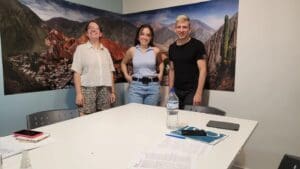
말라가에서 선생님들을 만나보세요
특별하고 혁신적인 언어 모험의 관문인 Vamos Academy Malaga에 오신 것을 환영합니다. 우리는 스페인어 발음의 뉘앙스를 설명하는 전문 교사 중 한 명의 매력적인 비디오를 가지고 있으며, 이는 몰입형 대화형 교수법의 완벽한 예입니다.
숙련된 교육자로 구성된 전담 팀이 귀하의 고유한 목표와 능력에 맞는 맞춤형 학습 경험을 제공합니다. 그룹 스페인어 수업에서는 지원 커뮤니티 내에서 대화식 학습에 중점을 둡니다. 교실 수업과 함께 다양한 사회 및 문화 활동을 통해 풍부한 안달루시아 문화와의 연결을 심화합니다.
등록을 고려하고 있다면 주저하지 말고 연락하세요. 우리는 더 많은 정보를 제공하고, 포괄적인 발음 비디오를 공유하거나, 과거 학생들의 놀라운 경험을 설명하게 되어 기쁩니다. Vamos Academy Malaga에서 여러분을 기다리고 있는 풍부하고 잊을 수 없는 언어 여행을 발견하십시오.
안달루시아 말라가에서의 스페인어 집중 그룹 코스를 발견하십시오.
15분. 무료. 진짜 수준이야.
우리 학업 코디네이터는 필기시험 + 짧은 구술 시험을 진행합니다 — 의무, 보수, 등록 없이 진행됩니다. CEFR 등급, 추천 프로그램, 목표에 도달할 예상 일정을 가지고 떠납니다. 예약은 본인이 결정할 때만 가능합니다.